Many people in Lilburn, GA wonder how a series of clear plastic trays can actually straighten teeth. The science behind why Invisalign works to move teeth gradually in Lilburn is both fascinating and reassuring. Each aligner is carefully engineered to apply precise, controlled pressure to specific teeth. Understanding this process can help you feel confident before starting treatment with Dr. Sun Kim at Lilburn Smile Makers Dental.
How Invisalign Aligners Apply Force to Move Teeth
Teeth are not anchored rigidly in your jaw. They sit in a layer of soft tissue called the periodontal ligament. This ligament responds to sustained pressure by allowing bone to remodel around the tooth’s new position.
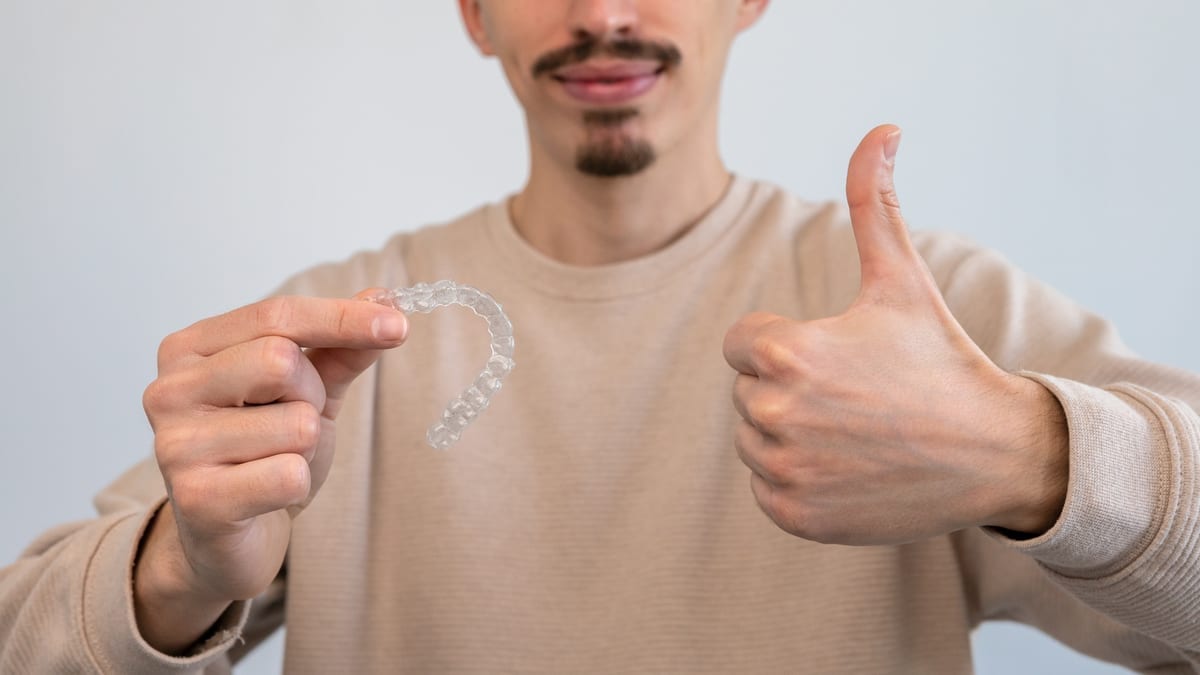
Invisalign aligners are designed with very slight differences from your current tooth positions. Each tray pushes targeted teeth in a planned direction. The pressure triggers a biological process called bone remodeling. Old bone dissolves on the pressure side, and new bone forms on the tension side.
This is not a fast process, and that is intentional. Moving teeth too quickly can cause root damage or unstable results. Gradual movement — typically 0.25 millimeters per aligner — keeps the process safe and effective.
- Each aligner is worn for seven to ten days before switching
- Movement is limited to a tiny fraction of a millimeter per tray
- The periodontal ligament guides safe, natural bone remodeling
- Controlled force reduces the risk of root resorption
The Aligner Change Schedule Explained in Lilburn
One of the most common questions Dr. Sun Kim hears is: why do I change aligners so frequently? The answer ties directly back to the biology of tooth movement. Once the bone has adjusted to a new position, the aligner loses its active force. At that point, switching to the next tray reintroduces controlled pressure.
Most patients in Lilburn change their aligners every seven to ten days. Some advanced cases may require two weeks per tray. Your specific schedule depends on the complexity of your tooth movements and how well your bone responds.
Skipping ahead in your aligner series is not recommended. Each tray builds on the last. Jumping trays can create gaps in movement that cause misalignment or fitting problems later in treatment.
- Follow your prescribed change schedule consistently
- Never skip trays, even if earlier trays feel loose
- Wear aligners 20 to 22 hours daily for best results
- Store unused trays safely in case you need to go back
What Are Invisalign Attachments and Why Do They Matter?
Not all tooth movements are simple. Some teeth need to rotate, tip significantly, or move vertically. Standard aligner pressure alone cannot always achieve these complex shifts. This is where Invisalign attachments come in.
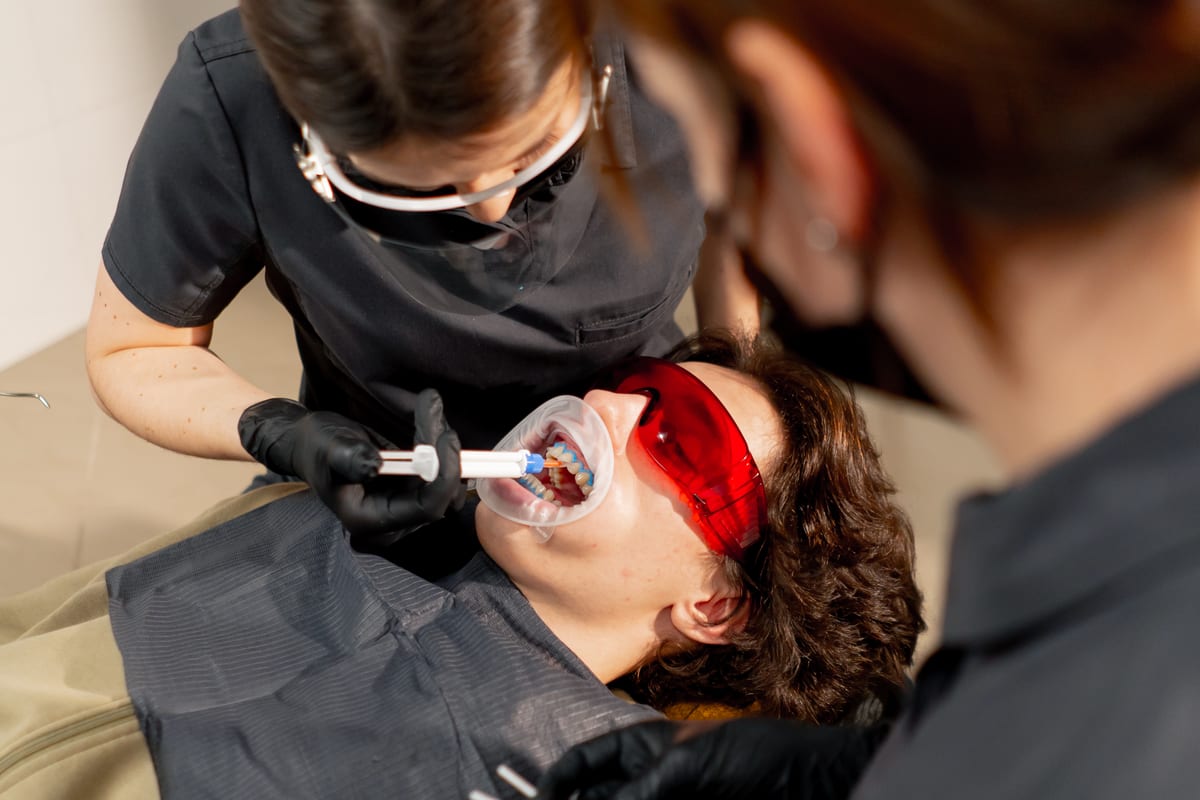
Attachments are small tooth-colored bumps bonded directly onto specific teeth. They give the aligner something to grip and push against. Think of them as handles that allow the tray to apply force in more precise directions.
Dr. Sun Kim places attachments strategically based on your custom treatment plan. They are barely noticeable to others and are removed at the end of treatment. Their presence significantly expands what Invisalign can accomplish beyond simple crowding or spacing cases.
Some patients also use small rubber bands with their Invisalign trays. These elastics help correct bite issues by applying force between the upper and lower arches. Together, attachments and elastics make Invisalign a highly versatile treatment option.
Understanding Refinements: When Treatment Needs Fine-Tuning
Even with precise planning, teeth do not always move exactly as predicted. Bone density, gum health, and patient compliance all affect outcomes. Refinements address any remaining corrections after your initial series of aligners is complete.
A refinement involves taking new impressions or scans of your teeth. Invisalign then fabricates an additional series of aligners to finish the job. Refinements are a normal and expected part of many Invisalign journeys.
This is one reason working with an experienced provider like Dr. Sun Kim matters so much. Identifying when refinements are needed — and planning them correctly — requires clinical skill. The goal is always a stable, healthy, beautiful result.
Patients interested in Cosmetic Dentistry often find that Invisalign pairs well with other smile-enhancing treatments. Teeth whitening, for example, can be started after alignment is complete for a dramatic transformation.
How Invisalign Compares to Traditional Braces Biologically
Both Invisalign and traditional braces move teeth through the same biological mechanism: controlled, sustained pressure that triggers bone remodeling. The key difference lies in how that pressure is applied.
Braces use metal brackets and wires to push and pull teeth continuously. Invisalign uses a series of custom-molded trays that apply incremental force in planned stages. Neither method is biologically superior — both are highly effective when used correctly.
Invisalign offers significant lifestyle advantages, including the ability to remove trays for eating and cleaning. This makes maintaining gum and bone health during treatment easier for many patients. Healthy supporting tissues help ensure that moved teeth remain stable long term.
For patients who also need other dental work, it is worth knowing that conditions treated with Root Canal Therapy do not automatically disqualify someone from Invisalign. Dr. Sun Kim evaluates each patient’s full oral health before recommending a treatment sequence.
Conclusion: Science-Backed Smile Transformation in Lilburn
The science behind why Invisalign works to move teeth gradually in Lilburn is grounded in biology, precision engineering, and careful clinical planning. Every aligner, attachment, and refinement serves a specific purpose in guiding your teeth toward their ideal positions. Understanding this process makes it easier to stay consistent with wear time and trust the journey.
Dr. Sun Kim and the team at Lilburn Smile Makers Dental are committed to helping Lilburn patients achieve healthy, confident smiles through evidence-based care. If you are curious about whether Invisalign is right for you, we are here to answer every question. Book Now to schedule your appointment with our team.
Frequently Asked Questions
How long does Invisalign treatment typically take?
Treatment length varies based on case complexity. Mild crowding may take six to twelve months. More involved corrections can take eighteen months or longer. Dr. Sun Kim provides a personalized timeline during your consultation.
Does Invisalign hurt when you change to a new aligner?
Some pressure or mild soreness is normal within the first day or two of wearing a new tray. This discomfort signals that the aligner is actively working. Most patients find it far more manageable than the soreness associated with traditional braces adjustments.
Can I take my Invisalign aligners out whenever I want?
Yes, that is one of Invisalign’s key advantages. However, aligners must be worn 20 to 22 hours per day for treatment to progress on schedule. Removing them too often can extend your treatment timeline significantly.
What happens if I lose or damage an aligner?
Contact Lilburn Smile Makers Dental right away. Dr. Sun Kim may recommend wearing your previous tray until a replacement arrives or moving to the next tray early, depending on where you are in your series. Never go without an aligner for extended periods.
Are refinements included in most Invisalign treatment plans?
Many Invisalign providers include a set number of refinement aligners within your original treatment agreement. This is something to discuss during your consultation. Refinements are a normal part of achieving the most accurate final result.