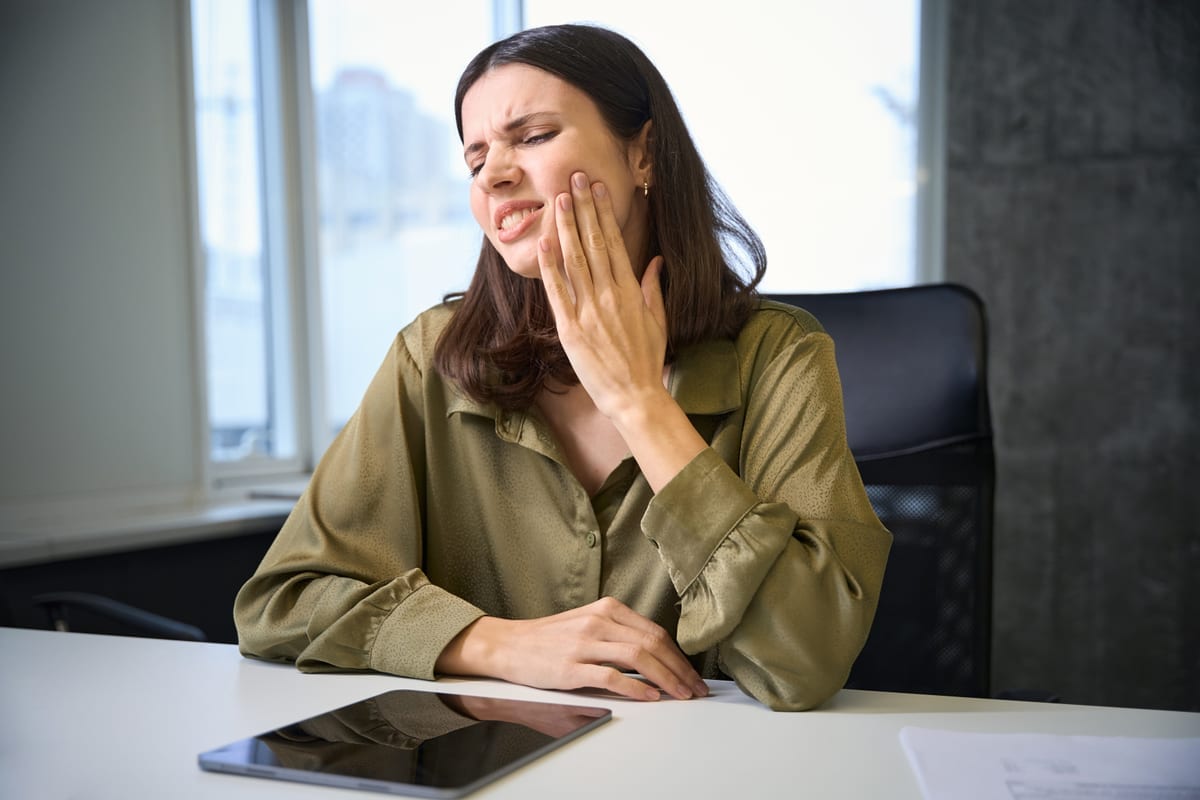
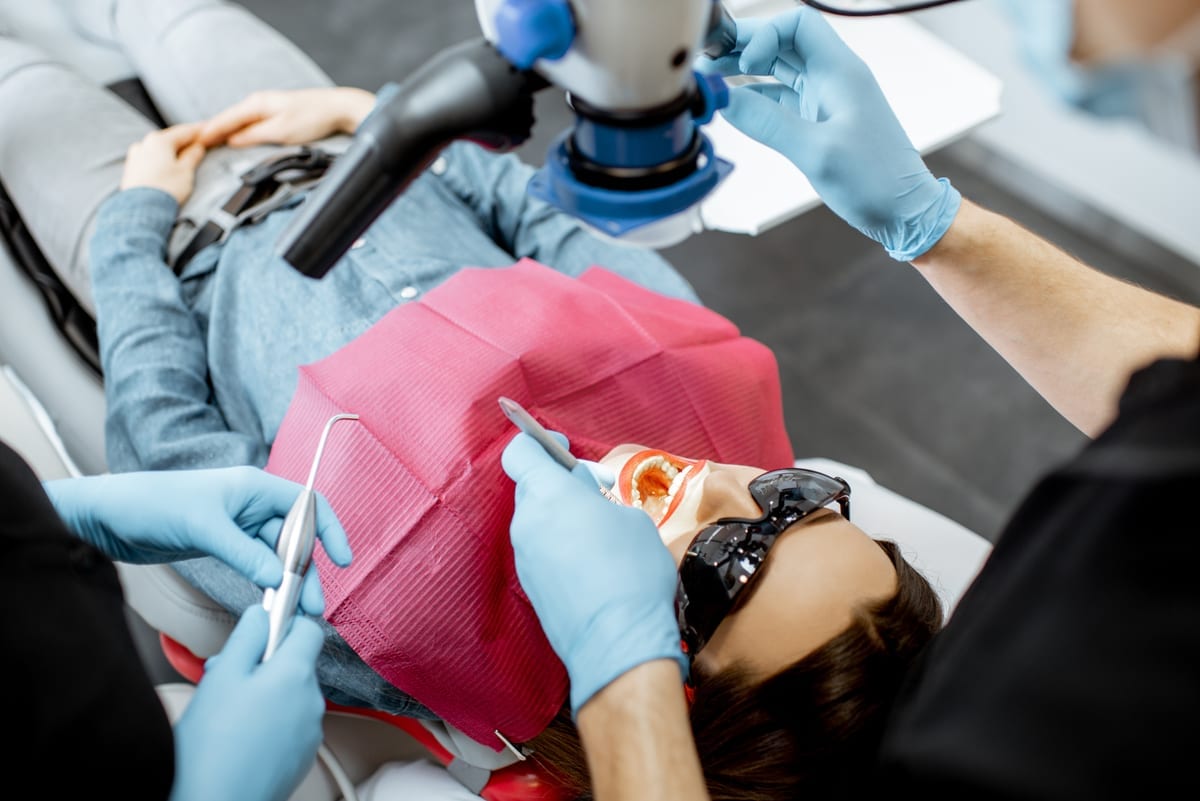
If you’ve been told you need a root canal, your first reaction might be fear. That reaction is completely understandable. Most patients in Lilburn, GA, dread this procedure more than any other dental treatment. But here’s the truth: what you’ll actually feel during a root canal treatment in Lilburn is far less scary than what you’ve probably imagined. Modern techniques and skilled care make this procedure more manageable than most people expect.
At Lilburn Smile Makers Dental, Dr. Sun Kim helps patients understand exactly what to expect. Knowledge is one of the most powerful tools for reducing dental anxiety. So let’s walk through the entire procedure, step by step, and talk about what you’ll actually experience at each stage.
Before the Procedure Begins: Getting Comfortable
Your appointment starts with a short conversation. Dr. Kim will review your X-rays and explain what’s happening inside the tooth. This is your chance to ask questions and share any concerns you have.
Next comes the numbing process. A small amount of topical anesthetic gel is applied to your gum first. This gel numbs the surface before any injection happens. Most patients barely notice the injection that follows.
Once the local anesthetic takes full effect, you should feel little to no pain throughout the procedure. You may feel pressure or mild vibration from dental instruments. However, sharp pain is not something you should experience. If you ever feel discomfort, Dr. Kim will add more anesthetic immediately.
- Topical gel is applied to the gum before any injection
- The local anesthetic typically takes effect within a few minutes
- You remain fully awake and comfortable throughout
- You can signal Dr. Kim at any time if you need a break
What You’ll Actually Feel During Root Canal Treatment in Lilburn: The Main Steps
Once you’re numb, Dr. Kim places a small rubber sheet called a dental dam around the tooth. This keeps the area clean and isolated. You won’t feel this being placed — it simply sits around the tooth.
A small opening is made in the top of the tooth. Because the area is fully numb, you won’t feel cutting or drilling in the traditional sense. You may notice a faint buzzing sensation or mild vibration. Some patients describe it as feeling like light pressure on the tooth.
Next, Dr. Kim removes the infected or damaged pulp from inside the tooth. Tiny instruments clean out the root canals carefully. Again, you feel pressure but not pain. The numbing medication blocks pain signals effectively.
The canals are then shaped and rinsed with a disinfecting solution. You might notice a slight taste or smell from this rinse. That’s completely normal and harmless. The entire cleaning process is methodical but not uncomfortable.
- The tooth is isolated with a dental dam for cleanliness
- A small access opening is made in the crown of the tooth
- Infected pulp is removed using fine, precise instruments
- The canals are shaped, cleaned, and disinfected thoroughly
- The tooth is sealed with a biocompatible filling material
Sealing the Tooth and Temporary Restoration
After cleaning, the root canals are filled with a rubbery material called gutta-percha. This seals the canals permanently and prevents reinfection. You won’t feel this material being placed inside the tooth.
A temporary or permanent filling is then placed on top. In many cases, Dr. Kim will recommend a dental crown afterward. The crown protects the tooth and restores its full function. A separate appointment is typically scheduled for the crown placement.
At this stage, the procedure is essentially complete. The entire process usually takes between 60 and 90 minutes. Straightforward cases can sometimes be completed even faster. You’ll leave the office with the tooth fully treated and sealed.
If you’re curious about how this fits into your broader smile health, Cosmetic Dentistry Lilburn options like crowns can restore both function and appearance beautifully.
How You’ll Feel After the Root Canal
Once the anesthetic wears off, mild soreness is normal. Your tooth and surrounding gum may feel tender for a few days. This is your body’s natural healing response. Over-the-counter pain relievers usually manage this discomfort well.
Most patients return to their normal daily activities the very next day. The post-procedure soreness is typically far milder than people expect. Many patients say the recovery was easier than a simple tooth extraction. The fear beforehand is almost always worse than the reality.
Avoid chewing hard foods on the treated side for a few days. Stick to softer foods while the tooth settles. If you experience severe or worsening pain after 48 hours, contact Dr. Kim’s office right away. That could signal a rare complication that needs quick attention.
- Mild tenderness is normal for two to three days after treatment
- Over-the-counter pain relief is usually sufficient for recovery
- Avoid hard, crunchy foods on the treated side temporarily
- Severe or worsening pain beyond 48 hours warrants a follow-up call
Why Root Canal Treatment Saves Your Natural Tooth
A root canal removes infection while preserving your natural tooth structure. Keeping your natural tooth is almost always the better long-term choice. Natural teeth function better than artificial replacements in most cases. They also help maintain healthy jawbone density over time.
Skipping treatment allows infection to spread. That can lead to abscesses, bone loss, and even systemic health problems. A timely root canal stops infection in its tracks. It protects neighboring teeth and your overall oral health.
For patients in Lilburn, GA, Root Canal Therapy Lilburn at our practice is designed to be as comfortable and efficient as possible. Dr. Kim uses modern techniques and gentle care at every step. You don’t have to dread this procedure when you’re in the right hands.
Conclusion: You’re in Good Hands at Lilburn Smile Makers Dental
Root canal treatment has a reputation that simply doesn’t match modern reality. Most patients are surprised by how manageable the experience actually is. With proper anesthetic and a skilled, empathetic dentist like Dr. Sun Kim, discomfort is minimal. The relief you feel once the infection is gone is genuinely significant.
If you’ve been putting off treatment because of fear, we encourage you to take that first step. Understanding what happens during each stage removes so much of the anxiety. Our team at Lilburn Smile Makers Dental is here to guide you with patience and expertise. Book Now to schedule your appointment with our team.
Frequently Asked Questions
Does a root canal actually hurt during the procedure?
Most patients feel little to no pain during a root canal. The tooth and surrounding area are thoroughly numbed with local anesthetic before any work begins. You may feel pressure or mild vibration, but sharp pain is not expected. If you do feel discomfort, Dr. Kim will add more anesthetic right away.
How long does a root canal appointment take at Lilburn Smile Makers Dental?
Most root canal appointments take between 60 and 90 minutes from start to finish. Simpler cases with fewer canals may take less time. Dr. Kim works carefully and methodically to ensure the procedure is done thoroughly. You’ll receive a clearer time estimate after your initial examination.
What should I eat after a root canal treatment?
Stick to soft foods for the first few days following your root canal. Good options include yogurt, soup, mashed potatoes, and scrambled eggs. Avoid hard, crunchy, or chewy foods on the treated side while healing. Once your permanent crown is placed, normal eating can typically resume.
Will I need a crown after my root canal?
In most cases, yes. A dental crown is recommended to protect the treated tooth from fracture and restore its full strength. Back teeth especially benefit from crown protection after root canal therapy. Dr. Kim will discuss the best restoration plan for your specific tooth during your appointment.
How soon can I return to work after a root canal?
Most patients return to work or normal activities the very next day. Some people with desk jobs even go back the same afternoon. Mild soreness is common for a couple of days but rarely prevents daily activity. Over-the-counter pain relievers are usually enough to stay comfortable during recovery.