You invested time and money into a brighter smile — and it looks amazing. But whitening results don’t last forever on their own. The good news is that your whitening results don’t have to fade with the right daily habits. At Lilburn Smile Makers Dental, Dr. Sun Kim helps patients in Lilburn, GA keep their smiles looking brilliant long after treatment. This guide covers exactly how long results typically last and what you can do to protect them.
How Long Do Teeth Whitening Results Actually Last?
Most professional whitening treatments last between six months and two years. That’s a wide range — and your daily habits explain most of the difference. Patients who follow good maintenance routines enjoy longer-lasting brightness. Those who don’t often notice fading within just a few months.
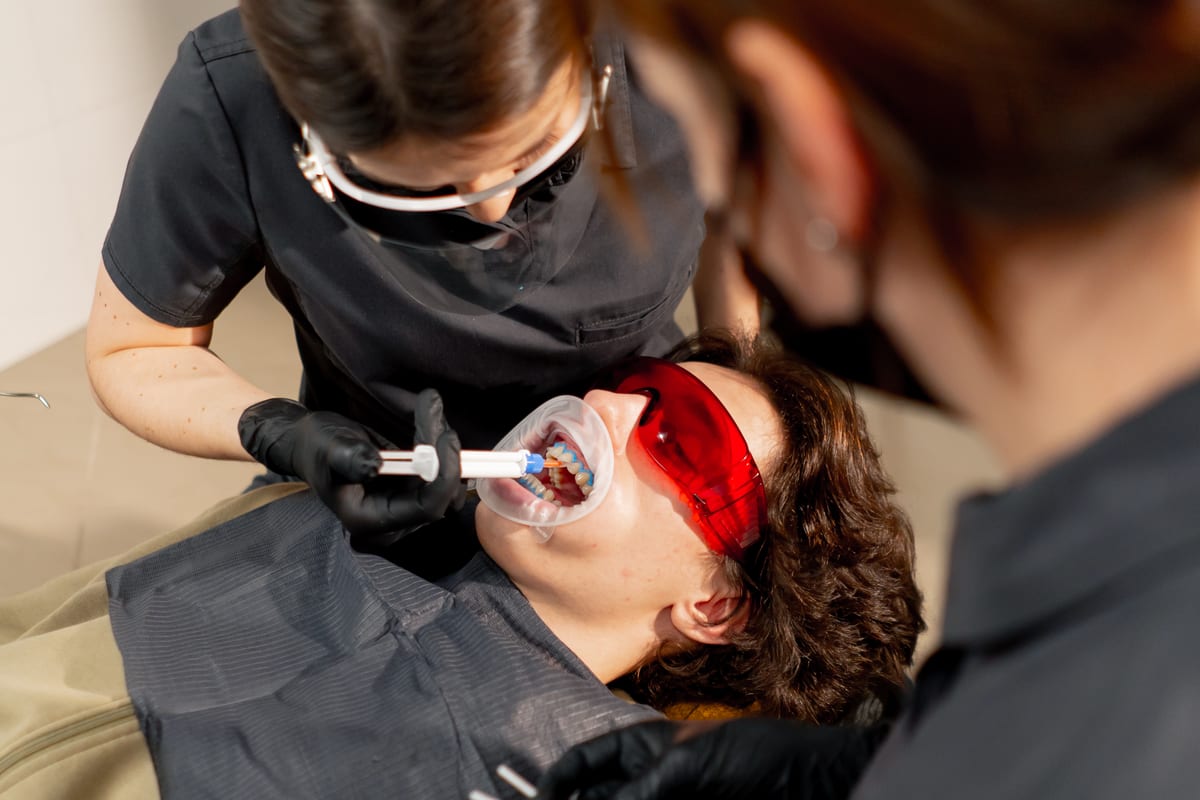
In-office whitening treatments, like the ones offered through Cosmetic Dentistry Lilburn, deliver deeper results than over-the-counter strips. But even professional results fade without consistent care. Understanding what causes staining is the first step to keeping your smile bright.
Tooth enamel is naturally porous. That means it can absorb pigments from food and drinks over time. Whitening treatments lift existing stains — but they don’t seal enamel permanently. Your post-treatment habits determine how quickly new stains develop.
The Biggest Habits That Shorten Your Whitening Results in Lilburn
Several common habits are known to accelerate staining after whitening. Knowing which ones cause the most damage helps you make smarter choices every day. Here are the top culprits to watch for:
- Coffee and tea: Both contain tannins that cling to enamel and cause yellowing over time.
- Red wine: Wine is highly acidic and deeply pigmented — a double threat for your white smile.
- Smoking and tobacco: Nicotine and tar cause stubborn brown and yellow stains that are difficult to remove.
- Dark sauces: Soy sauce, tomato-based sauces, and balsamic vinegar all stain enamel quickly.
- Sports drinks and sodas: These weaken enamel through acidity, making staining even easier.
You don’t need to eliminate all of these completely. But being mindful of how often you consume them makes a real difference. Small adjustments to your daily routine can extend your whitening results significantly.
Smart Daily Habits That Keep Your Smile Brighter Longer
Good habits don’t just prevent staining — they actively protect your enamel. The following practices are easy to build into your routine. Consistency matters more than perfection here.
Brush your teeth twice daily with a whitening toothpaste. Look for formulas with gentle polishing agents that remove surface stains. Avoid overly abrasive toothpastes, as these can gradually wear down enamel. Dr. Sun Kim can recommend the right product for your specific needs.
Rinse your mouth with water after consuming staining foods or drinks. This simple habit dilutes pigments before they can settle into enamel. It takes just seconds and makes a measurable difference over time. Drinking water throughout the day also reduces the contact time between staining agents and your teeth.
Here are more practical tips to add to your whitening maintenance routine:
- Use a straw when drinking coffee, tea, or dark beverages to reduce contact with teeth.
- Wait 30 minutes after eating before brushing to protect softened enamel.
- Floss daily to remove plaque that can trap staining pigments between teeth.
- Schedule professional cleanings every six months to remove surface buildup.
- Ask Dr. Kim about touch-up whitening treatments to maintain your results over time.
When to Consider a Touch-Up Whitening Treatment
Even with the best habits, some fading is natural over time. Touch-up treatments help you maintain your ideal shade without starting from scratch. Most patients benefit from a touch-up once or twice per year. Dr. Sun Kim can evaluate your smile and recommend the right timing for your situation.
At-home whitening trays custom-fitted by your dentist are a great maintenance option. They deliver consistent, controlled results between office visits. Over-the-counter trays are not fitted to your teeth, which reduces their effectiveness. Custom trays ensure the whitening gel stays where it needs to be.
Some patients experience sensitivity after whitening treatments. This is usually temporary and manageable with the right toothpaste or gel. If sensitivity persists, it’s worth discussing with Dr. Kim during your next visit. Addressing sensitivity early ensures whitening stays a comfortable experience.
Connecting Whitening Care to Your Overall Oral Health in Lilburn
Maintaining a bright smile is about more than cosmetics. It’s closely tied to your overall dental health. Healthy enamel holds whitening results better than weakened or damaged enamel. Protecting your teeth from decay and damage is essential to long-term whitening success.
If you have untreated dental issues, whitening may not be recommended until they’re resolved. Conditions like cavities or gum disease affect how your teeth respond to whitening agents. It’s always best to address underlying concerns first. Regular checkups at Lilburn Smile Makers Dental help ensure your mouth is ready for cosmetic treatments.
Restorations like crowns or veneers don’t respond to whitening the same way natural teeth do. If you have visible restorations, touch-up whitening requires careful planning. Treatments like Root Canal Therapy Lilburn can sometimes affect tooth color, which is important to discuss with your dentist before whitening. Dr. Kim will help you understand what results to realistically expect based on your full dental picture.
Conclusion: Keep Your Bright Smile Going Strong
Your whitening results don’t have to fade — and now you know exactly why they do and how to stop it. The biggest wins come from consistent small habits: rinsing after staining drinks, brushing regularly, and staying on top of professional cleanings. Dr. Sun Kim and the team at Lilburn Smile Makers Dental are here to support your smile journey every step of the way. Book Now to schedule your appointment with our team.
Frequently Asked Questions
How long do professional whitening results typically last?
Professional whitening results can last anywhere from six months to two years. The exact duration depends on your daily habits, diet, and how consistently you follow a maintenance routine. Regular touch-ups and professional cleanings help extend your results significantly.
Can I still drink coffee after teeth whitening?
Yes, but it’s best to minimize how often you drink it and use a straw when possible. Rinsing your mouth with water after coffee also reduces staining. Completely cutting out coffee isn’t necessary — moderation and good habits are the key.
Does smoking really affect whitening results that much?
Yes, smoking is one of the fastest ways to reverse whitening results. Nicotine and tar create stubborn stains that penetrate deeply into enamel. Patients who smoke typically see fading much sooner than non-smokers, and touch-ups may be needed more frequently.
Are at-home whitening touch-up kits as effective as in-office treatments?
Custom at-home trays provided by your dentist are highly effective for maintenance. They aren’t as powerful as a full in-office treatment, but they’re ideal for keeping your results fresh between visits. Over-the-counter kits are less effective because they aren’t fitted to your teeth.
When should I schedule my first touch-up whitening appointment?
Most patients benefit from a touch-up every six to twelve months. Dr. Sun Kim can assess your current shade during a routine cleaning and advise on the best timing for you. Starting touch-ups before significant fading occurs is easier than reversing heavy staining.