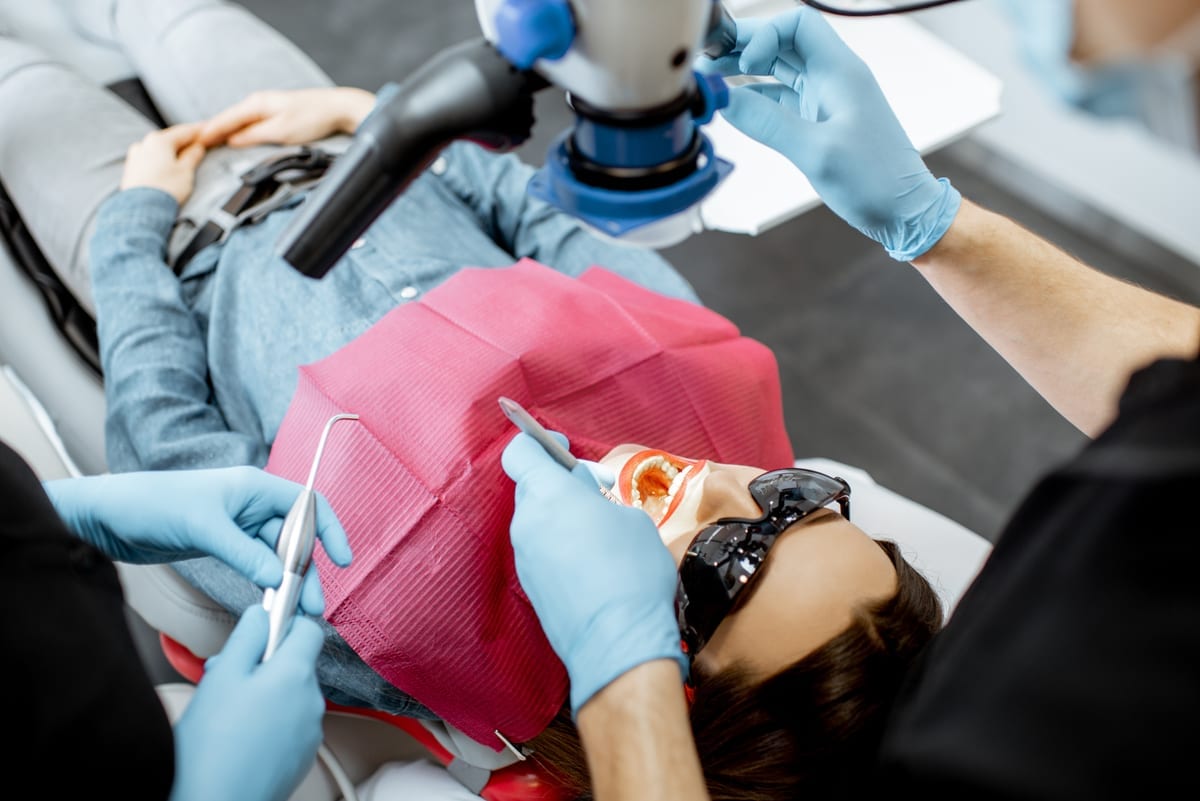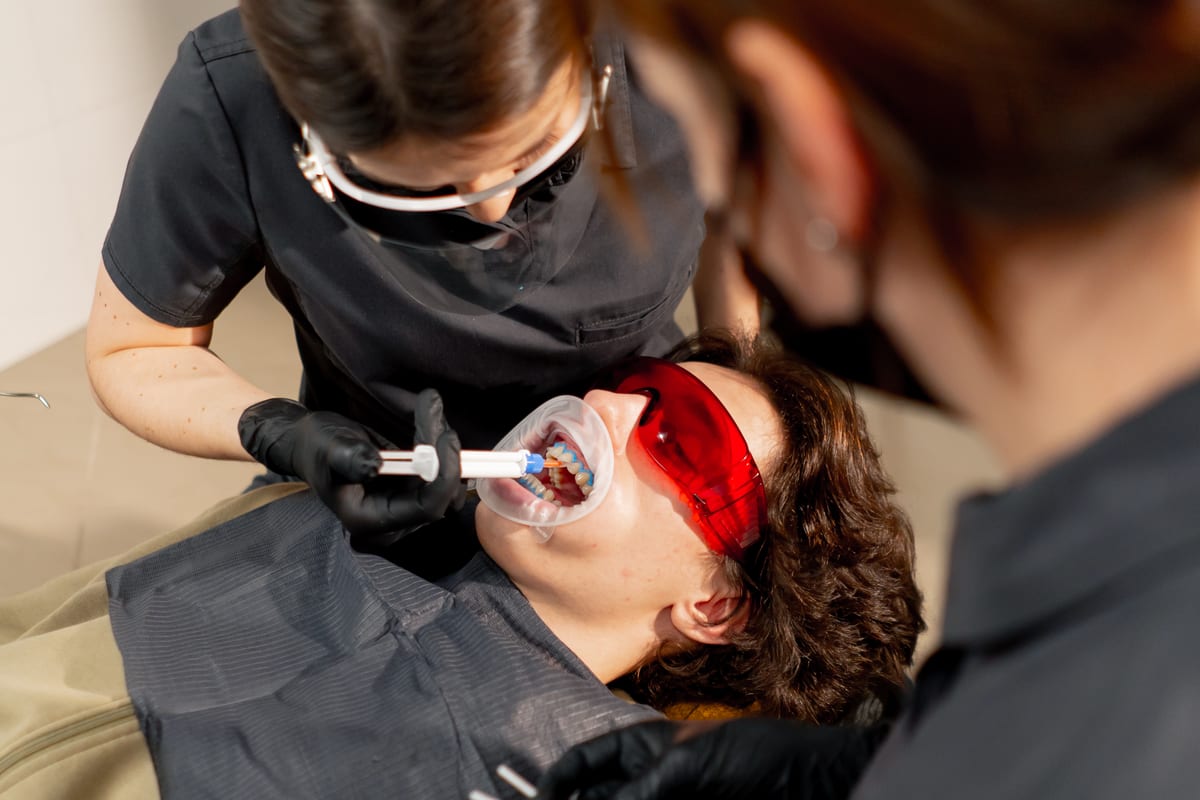

If jaw pain, clicking, or headaches have been bothering you, a TMJ evaluation is a smart first step. Understanding what your TMJ diagnosis appointment actually involves in Lilburn helps ease any uncertainty before you arrive. At Lilburn Smile Makers Dental, Dr. Sun Kim uses a thorough, step-by-step process to identify the source of your discomfort. This article walks you through exactly what to expect at each stage of the evaluation.
What Is TMJ and Why Does Diagnosis Matter?
TMJ stands for temporomandibular joint — the hinge connecting your jaw to your skull. When this joint is irritated or misaligned, it causes a condition called temporomandibular disorder, or TMD. Symptoms range from jaw soreness and clicking sounds to ear pain and difficulty chewing.
Accurate diagnosis matters because TMJ symptoms often overlap with other conditions. Headaches, for example, can come from tension, sinus issues, or jaw dysfunction. Without a proper evaluation, it is easy to treat the wrong problem. That is why Dr. Kim takes a careful, evidence-based approach to every TMJ case.
Early diagnosis can also prevent the condition from worsening. Left untreated, TMJ disorders can affect your bite, your sleep, and your overall quality of life. Knowing what is driving your symptoms puts you on the path to real relief.
The Clinical Exam: What Dr. Kim Checks First
Your appointment begins with a detailed clinical examination. Dr. Kim will gently feel along your jaw joints and muscles to identify areas of tenderness or tension. This hands-on assessment helps pinpoint whether muscles, the joint itself, or surrounding tissue is involved.
During the exam, you will be asked to open and close your mouth slowly. Dr. Kim observes the movement of your jaw and listens for clicking, popping, or grinding sounds. These noises can signal disc displacement or joint inflammation.
You will also be asked about your symptoms in detail. Questions may include how long you have had pain, whether it is worse in the morning, and if stress seems to trigger flare-ups. This conversation is just as important as the physical exam.
- Palpation of jaw muscles and joint areas
- Assessment of jaw opening range and movement
- Listening for joint sounds during movement
- Discussion of symptom history and patterns
- Evaluation of neck and facial muscle tension
Imaging and Technology Used in TMJ Diagnosis in Lilburn
After the clinical exam, Dr. Kim may recommend imaging to get a clearer picture of your joint structure. Dental X-rays can reveal bone changes or arthritic damage in the jaw joint. These images help confirm what the physical exam suggests.
In some cases, a cone beam CT scan may be used. This provides a three-dimensional view of the joint, which flat X-rays cannot offer. It shows the exact position of the disc and surrounding bone in greater detail.
Imaging is not always required for every TMJ case. Dr. Kim uses clinical judgment to decide whether it adds useful information for your specific situation. The goal is always to gather only what is necessary for an accurate diagnosis.
- Standard dental X-rays to view bone structure
- Cone beam CT for 3D joint visualization
- Possible referral for MRI if soft tissue detail is needed
- Review of prior imaging you may already have
Bite Analysis: Understanding How Your Teeth Fit Together
Your bite plays a central role in TMJ health. How your upper and lower teeth come together directly affects the pressure placed on your jaw joint. Dr. Kim will carefully analyze your bite as part of the TMJ diagnosis appointment.
This process involves checking for uneven tooth contact, worn enamel patterns, and signs of grinding or clenching. Bite irregularities can force the jaw into an unnatural position over time. That repeated strain often leads to joint pain and muscle fatigue.
In some cases, Dr. Kim may use thin marking paper to record exactly where your teeth make contact first. This gives a precise map of bite pressure distribution. Correcting bite imbalances is often a key part of TMJ treatment planning.
It is worth noting that TMJ issues sometimes connect to broader oral health concerns. For patients exploring full smile rehabilitation, Cosmetic Dentistry Lilburn services can address both function and appearance together.
What Happens After Your TMJ Evaluation?
Once Dr. Kim completes the exam, imaging review, and bite analysis, she will explain her findings clearly. You will understand what is causing your symptoms and why. This part of the appointment is important — you deserve answers, not just a diagnosis code.
From there, Dr. Kim will outline a customized treatment plan. Options may include a night guard, physical therapy referral, bite adjustments, or other targeted interventions. The plan is tailored to the severity and source of your specific condition.
In some cases, jaw pain has an unexpected connection to dental health concerns. For instance, untreated tooth infections can create referred pain around the jaw. When that is a factor, Root Canal Therapy Lilburn may be part of the broader treatment conversation.
Follow-up visits are often recommended to track your progress. TMJ treatment is rarely one-and-done, but most patients notice improvement with consistent care. Dr. Kim will be with you throughout the process.
Frequently Asked Questions
How long does a TMJ diagnosis appointment take in Lilburn?
Most TMJ evaluation appointments at Lilburn Smile Makers Dental take between 45 minutes and one hour. The time depends on whether imaging is needed and the complexity of your symptoms. Dr. Kim takes care not to rush the process so nothing important is missed.
Is the TMJ exam painful?
The exam itself is generally not painful. Dr. Kim uses light pressure during palpation, and you control how wide you open your mouth. If certain areas are tender, that information actually helps identify the source of your condition.
Do I need a referral to see Dr. Kim for TMJ concerns?
No referral is needed to schedule a TMJ evaluation at Lilburn Smile Makers Dental. You can contact the practice directly to set up your appointment. Dr. Kim welcomes new patients experiencing jaw pain, clicking, or related symptoms.
Can TMJ be diagnosed without imaging?
In many cases, yes. Dr. Kim can often identify TMJ dysfunction through the clinical exam and bite analysis alone. Imaging is recommended when additional detail is needed to confirm findings or rule out other causes.
What should I bring to my TMJ appointment?
Bring a list of your symptoms, how long you have had them, and any medications you currently take. If you have had prior dental X-rays or imaging done elsewhere, those records can also be helpful. The more information you share, the better Dr. Kim can tailor your evaluation.
If jaw pain has been affecting your daily life, you do not have to keep guessing about the cause. Dr. Sun Kim and the team at Lilburn Smile Makers Dental are ready to help you find real answers. Book Now to schedule your appointment with our team.