If you are missing one or more teeth, a dental bridge can restore your smile and your confidence. Many patients in Lilburn want to know what happens during your dental bridge procedure — and that curiosity is completely understandable. Knowing each step helps you feel prepared and calm. At Lilburn Smile Makers Dental, Dr. Sun Kim and our team walk you through every stage with care and clear communication.
This guide covers exactly what to expect from your first consultation through your final restoration. We focus on keeping you informed and comfortable throughout the process. No surprises — just straightforward, patient-centered care.
Step One: Your Consultation and Treatment Planning in Lilburn
Your dental bridge journey begins with a thorough consultation. Dr. Kim will examine your mouth and review X-rays to assess the health of surrounding teeth and bone. This step determines whether a bridge is the right solution for your specific situation.
During this visit, you will discuss your goals, ask questions, and learn about your options. Dr. Kim may also recommend complementary treatments at this stage. For example, patients interested in a full smile makeover often explore Cosmetic Dentistry Lilburn services alongside their bridge work. A customized treatment plan is created just for you before any procedure begins.
You will also receive a clear timeline for the entire process. Most dental bridge treatments involve two to three appointments spread over several weeks. Knowing this upfront helps you plan your schedule with confidence.
Step Two: Preparing the Abutment Teeth
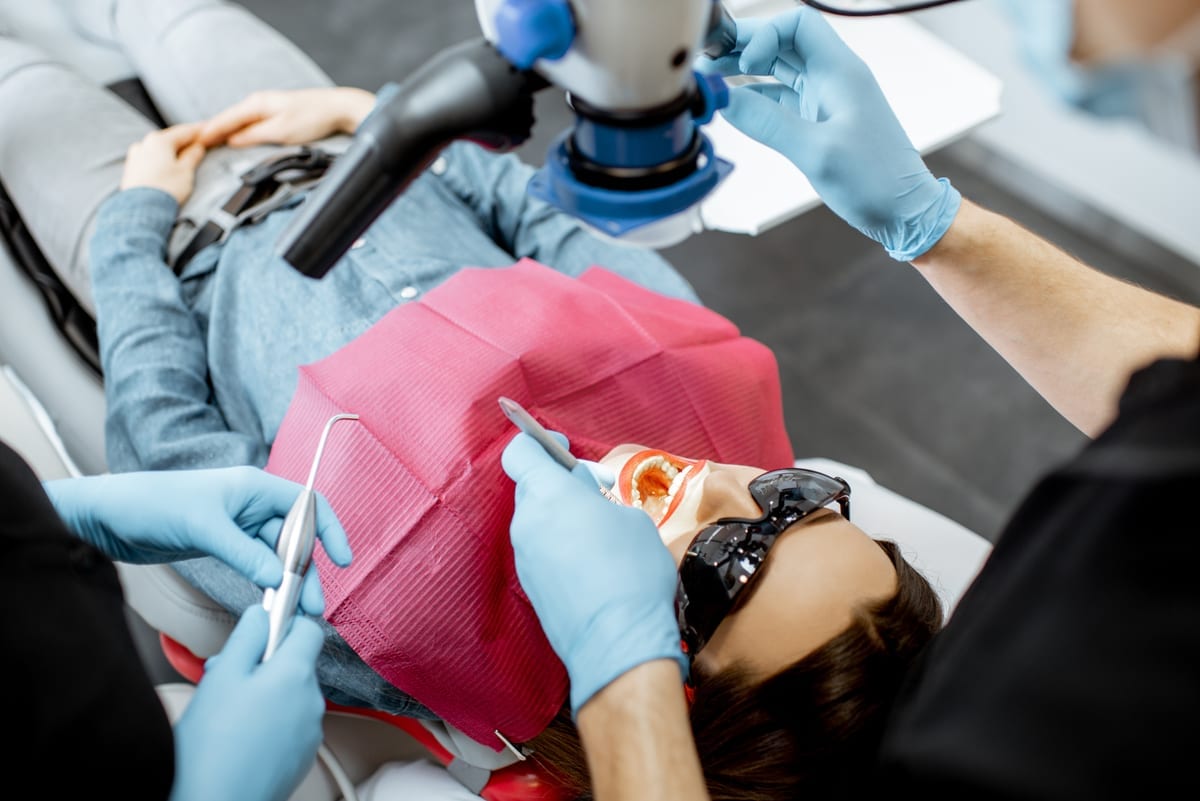
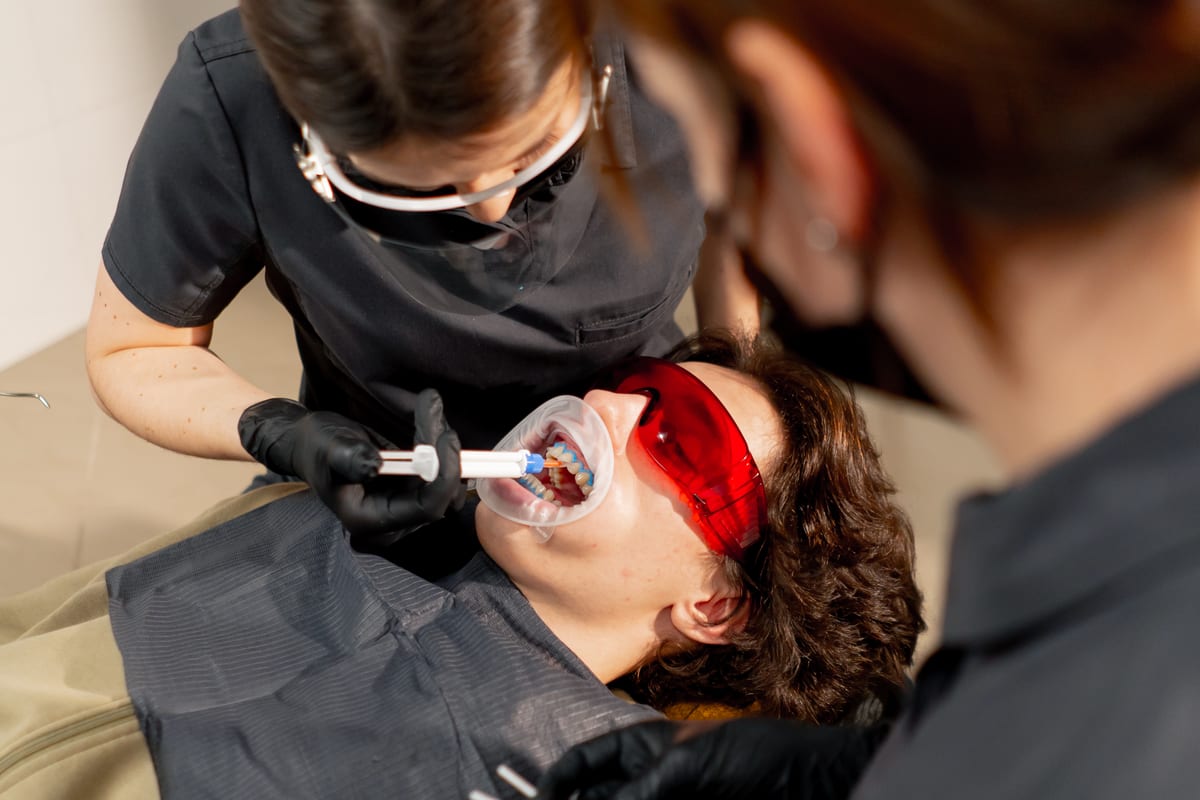
The second appointment is where the physical procedure begins. A dental bridge relies on the natural teeth on either side of the gap — called abutment teeth — for support. Dr. Kim will gently reshape these teeth to create room for the dental crowns that anchor the bridge.
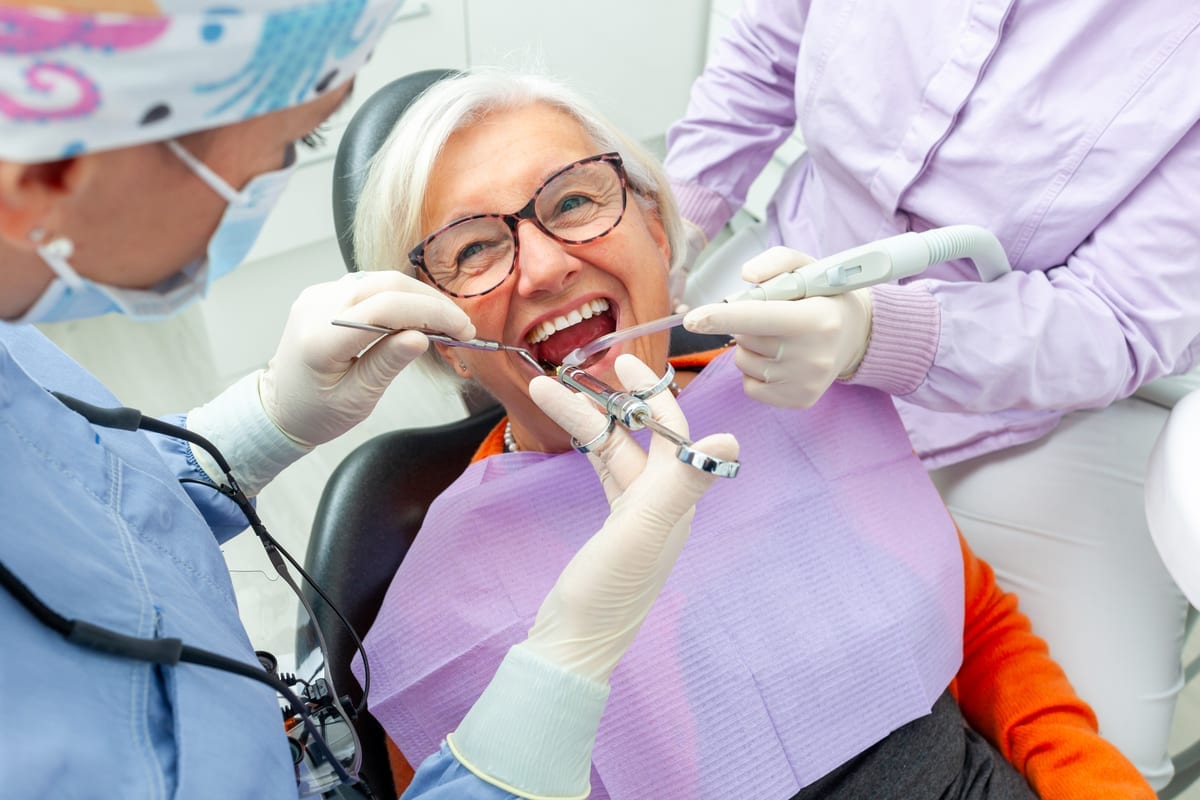
Before any reshaping begins, local anesthesia is applied to numb the area completely. Most patients feel only mild pressure during this stage — not pain. Our team checks in with you regularly to make sure you are comfortable throughout.
Here is what happens during the abutment preparation stage:
- Local anesthesia is administered to the treatment area
- A small amount of enamel is removed from each abutment tooth
- The teeth are shaped to fit the crown portion of the bridge
- Impressions or digital scans are taken of your teeth
- A temporary bridge is placed to protect the area
The impressions or digital scans are sent to a dental laboratory. Skilled technicians craft your permanent bridge to match your natural teeth in size, shape, and color. This process typically takes one to two weeks.
Step Three: Wearing Your Temporary Bridge
While your permanent bridge is being made, you will wear a temporary bridge. This temporary restoration protects the prepared teeth and maintains your bite. It also helps you get used to the feel of a bridge before the final one is placed.
Temporary bridges are not as strong as permanent ones. Our team will give you specific care instructions during this period. You should avoid sticky or hard foods and take extra care when flossing around the temporary appliance.
It is normal to experience some mild sensitivity during this stage. The prepared teeth may feel slightly different from what you are used to. This sensitivity typically fades once the permanent bridge is in place. Contact our office if you experience significant discomfort at any point.
Step Four: Placing Your Permanent Dental Bridge
Once your permanent bridge arrives from the laboratory, you return for your final placement appointment. Dr. Kim will remove the temporary bridge and thoroughly clean the abutment teeth. The new bridge is then carefully positioned and checked for fit and bite alignment.
This stage is just as comfortable as the preparation appointment. Local anesthesia is available if needed, though many patients do not require it for placement. Dr. Kim makes small adjustments until the bridge feels completely natural in your mouth.
Here is an overview of what happens during the final placement visit:
- Temporary bridge is removed and teeth are cleaned
- Permanent bridge is placed and checked for proper fit
- Bite alignment is carefully adjusted as needed
- The bridge is bonded securely in place
- Final polish is applied for a natural, smooth finish
After placement, Dr. Kim reviews how to care for your new bridge at home. Proper brushing and flossing techniques will protect the bridge and the surrounding gum tissue for years to come.
What to Expect After Your Dental Bridge Procedure
Most patients adapt to their new bridge within a few days. You may notice slight changes in how you speak or chew at first — this is completely normal. Your mouth adjusts quickly, and most people feel fully comfortable within one to two weeks.
Some mild soreness around the abutment teeth is common after placement. Over-the-counter pain relief is usually enough to manage any discomfort. If pain or sensitivity persists beyond a week, contact Lilburn Smile Makers Dental for a follow-up evaluation.
Dental bridges are durable and can last ten to fifteen years with proper care. Routine dental visits help Dr. Kim monitor the bridge and the surrounding teeth over time. Sometimes, underlying issues like gum disease or tooth decay can affect the bridge’s longevity, so regular checkups are essential.
In some cases, a tooth may need treatment before or after bridge work. If decay has reached the inner pulp of a tooth, Root Canal Therapy Lilburn may be recommended to save the tooth and support the bridge effectively. Dr. Kim will always explain any additional steps clearly before proceeding.
A dental bridge does more than replace a missing tooth. It restores your ability to chew and speak naturally. It also prevents neighboring teeth from shifting out of position over time. Investing in a bridge is an investment in your long-term oral health.
Frequently Asked Questions
How long does the dental bridge procedure take in total?
Most patients complete the dental bridge process in two to three appointments over two to four weeks. The first visit involves consultation and preparation. The second visit is for placing the permanent bridge after it returns from the lab.
Is the dental bridge procedure painful?
The procedure is designed to be as comfortable as possible. Local anesthesia is used during the preparation appointment to prevent pain. Most patients report feeling only mild pressure, not discomfort, during the process.
How do I care for my dental bridge at home?
Brush twice daily and floss carefully around and under the bridge using floss threaders or a water flosser. Avoid chewing on hard foods like ice or hard candy. Regular dental checkups at Lilburn Smile Makers Dental will help keep your bridge in excellent condition.
Can anyone get a dental bridge?
Most patients with one or more missing teeth are good candidates for a dental bridge. However, the abutment teeth must be healthy enough to support the bridge. Dr. Kim will assess your oral health during your consultation to determine if a bridge is right for you.
What if I need additional dental work before getting a bridge?
Some patients need gum treatment or other procedures before bridge placement. Dr. Kim identifies any underlying issues during your initial exam and discusses all necessary steps. The goal is to create a healthy foundation so your bridge lasts as long as possible.
If you are ready to restore your smile with a dental bridge, our team at Lilburn Smile Makers Dental is here to guide you every step of the way. Dr. Sun Kim combines gentle care with expert technique to make your experience as smooth as possible. Book Now to schedule your appointment with our team.