When you want a better-looking smile, two names come up most often: veneers and dental bonding. Many Lilburn patients ask the same question — veneers vs. bonding, which smile fix actually lasts longer in Lilburn? The honest answer depends on your goals, your budget, and your tooth structure. This guide breaks down both options so you can make a confident, informed decision.
What Are Veneers and Dental Bonding?
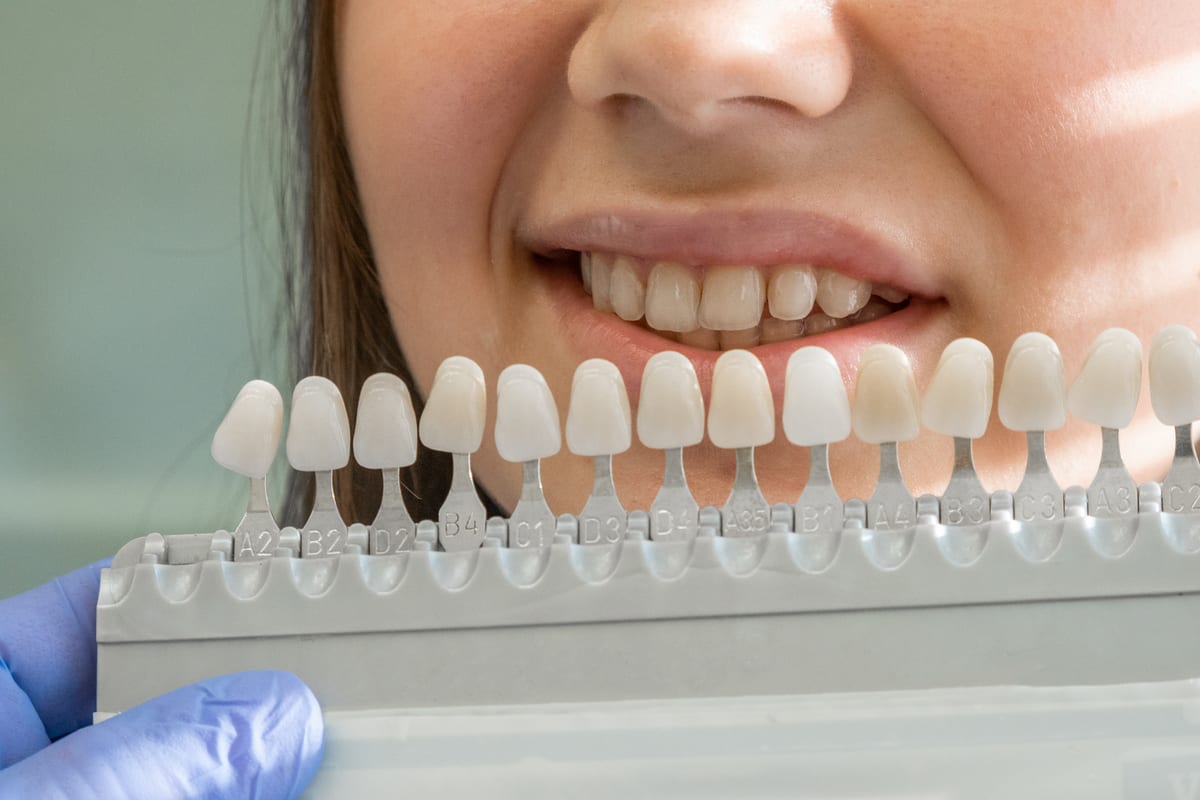
Veneers are thin porcelain or composite shells bonded to the front of your teeth. They are custom-made in a dental lab to match your natural smile. Porcelain veneers are the most popular choice for a dramatic, long-lasting transformation.
Dental bonding uses a tooth-colored resin applied directly to the tooth surface. Dr. Sun Kim sculpts the material by hand and hardens it with a special light. The entire process usually takes less than an hour per tooth. Bonding is a faster, more affordable way to fix minor cosmetic concerns.
Both treatments fall under the broad umbrella of Cosmetic Dentistry Lilburn patients trust at our practice. Understanding the difference helps you invest wisely in your smile.
Veneers vs. Bonding: Cost, Longevity, and Invasiveness Compared
Cost is often the first factor patients consider. Bonding is significantly less expensive per tooth than porcelain veneers. Veneers require lab fabrication, which adds both time and cost to the process.
Longevity is where veneers pull ahead. Porcelain veneers typically last 10 to 15 years with proper care. Dental bonding usually lasts 5 to 7 years before needing touch-ups or replacement. However, bonding can be repaired easily if it chips or stains.
Invasiveness is another key difference between the two. Veneers require the dentist to remove a small layer of enamel — this is permanent. Bonding requires little to no enamel removal in most cases. If you prefer a reversible or minimal option, bonding is the less invasive choice.
- Porcelain veneers: Last 10–15 years, highly stain-resistant, require enamel removal
- Dental bonding: Last 5–7 years, easier to repair, little to no enamel removal
- Cost: Bonding is typically more affordable upfront per tooth
- Appearance: Both look natural, but veneers offer a more polished, consistent finish
- Procedure time: Bonding is completed in one visit; veneers usually take two
Which Smile Concern Matches Which Treatment?
Choosing between veneers and bonding becomes clearer when you match the treatment to your specific concern. Not every cosmetic issue needs the same solution. Dr. Sun Kim evaluates each patient individually before recommending a path forward.
Dental bonding works best for:
- Small chips or cracks on front teeth
- Minor gaps between teeth
- Slightly discolored or stained teeth
- Teeth that appear too short
- Patients who want a quick, single-visit fix
Veneers work best for patients with more complex cosmetic concerns. If you have multiple teeth with severe staining, uneven sizing, or significant wear, veneers deliver a more uniform result. They also resist coffee, tea, and red wine staining far better than bonding resin does.
It is worth noting that neither veneers nor bonding are the right choice if your tooth has deep decay or infection. In those cases, treatments like Root Canal Therapy Lilburn patients need must come first to restore tooth health before any cosmetic work begins.
How Dr. Sun Kim Approaches Cosmetic Smile Planning in Lilburn
At Lilburn Smile Makers Dental, every cosmetic consultation starts with a full evaluation. Dr. Kim reviews your oral health, gum condition, and bite before discussing cosmetic options. This step ensures any underlying issues are addressed before aesthetic treatment begins.
Dr. Kim takes a patient-first, educational approach. She explains the pros and cons of both veneers and bonding in plain language. You never feel pressured to choose one over the other. The goal is always to help you reach the smile you want in the most practical, lasting way possible.
Many Lilburn patients start with bonding for a quick improvement and later upgrade to veneers. Others choose veneers from the start because they want a longer-lasting result. Either way, the treatment plan is built around your life, your timeline, and your comfort level.
Making Your Final Decision: A Quick Checklist
Still unsure which option is right for you? Use this checklist to narrow it down before your consultation. Answering these questions honestly will give Dr. Kim a clearer picture of your needs.
- Do you want results that last more than 10 years? → Consider veneers
- Is upfront cost a major factor? → Bonding may be the smarter start
- Do you have chips, cracks, or minor gaps? → Bonding handles these well
- Do you want to fix multiple teeth at once for a uniform look? → Veneers offer better consistency
- Are you okay with permanent enamel removal? → Required for veneers, not for bonding
- Do you drink a lot of coffee or red wine? → Porcelain veneers resist staining better
There is no universally correct answer in the veneers vs. bonding comparison. The right choice is the one that fits your health, goals, and lifestyle. A skilled cosmetic dentist like Dr. Kim will never push one option over another without good reason.
Conclusion: Your Smile, Your Choice — With Expert Guidance in Lilburn
When it comes to veneers vs. bonding, which smile fix actually lasts longer in Lilburn depends entirely on your situation. Veneers win on longevity and stain resistance. Bonding wins on affordability, speed, and minimal invasiveness. Both deliver beautiful, natural-looking results when performed by an experienced dentist.
Dr. Sun Kim and the team at Lilburn Smile Makers Dental are here to walk you through every option without pressure or confusion. A simple consultation can clarify which path makes the most sense for your teeth, your goals, and your schedule. Book Now to schedule your appointment with our team.
Frequently Asked Questions
How long do dental veneers last compared to bonding?
Porcelain veneers typically last 10 to 15 years with proper care and good oral hygiene. Dental bonding generally lasts 5 to 7 years before it may need touch-ups or replacement. Veneers offer greater longevity, but bonding is easier and less costly to repair when needed.
Is dental bonding reversible?
Yes, dental bonding is considered a more reversible option than veneers. It requires little to no enamel removal, which means your natural tooth structure remains largely intact. Veneers, on the other hand, require permanent removal of a thin layer of enamel before placement.
Can I get bonding now and switch to veneers later?
In many cases, yes. Dental bonding is a great starting point for patients who want immediate cosmetic improvement at a lower upfront cost. When you are ready for a longer-lasting upgrade, Dr. Kim can discuss transitioning to veneers at a future appointment.
Do veneers or bonding look more natural?
Both treatments can look very natural when done by a skilled cosmetic dentist. Porcelain veneers tend to offer a more polished, consistent appearance across multiple teeth. Bonding looks excellent for single-tooth corrections and blends well with surrounding teeth.
Can I get veneers or bonding if I have a damaged tooth?
Cosmetic treatments like veneers and bonding are only appropriate once the tooth is healthy. If a tooth has decay, infection, or structural damage, restorative treatment must come first. Dr. Kim will assess your full oral health before recommending any cosmetic procedure.