Dental Implants: A Complete Patient Guide
Losing a tooth can affect more than just your smile. It can change how you eat, speak, and feel about yourself. Dental Implants are one of the most reliable solutions available today. They replace missing teeth at the root level. At Lilburn Smile Makers Dental, our dental team believes every patient deserves clear, honest information. This guide explains how implants work, who they help, and what the process involves.
What Are Dental Implants?
Dental Implants are small titanium posts placed into the jawbone. They act as artificial tooth roots. Once the implant fuses with the bone, a custom crown is attached on top. The result looks and functions like a natural tooth. Titanium is used because the body accepts it well. Over time, the bone actually grows around the post. This process is called osseointegration. It is what makes implants so stable and long-lasting compared to other tooth replacement options.
Unlike removable dentures, implants stay fixed in your mouth. You brush and floss them just like natural teeth. There are no adhesives or special soaking solutions needed. Many patients find this makes daily life much simpler. Implants also do not rely on neighboring teeth for support. This helps preserve the health of surrounding teeth over time.
Who Is a Good Candidate for Dental Implants?
Most healthy adults who are missing one or more teeth can consider implants. Good candidates have enough jawbone density to support the post. They also have healthy gums free from active periodontal disease. Certain health conditions may affect healing after placement. Our dental team evaluates each patient individually. A thorough exam helps determine whether implants are the right path forward.
Age is also a factor. Implants are generally not recommended for younger patients whose jaws are still growing. Adults of virtually any age can be candidates if overall health supports it. Patients who smoke are encouraged to understand that smoking can slow healing. Bone loss from long-term tooth absence can sometimes require a bone graft first. This is a common and manageable step before implant placement.
The Dental Implant Placement Process
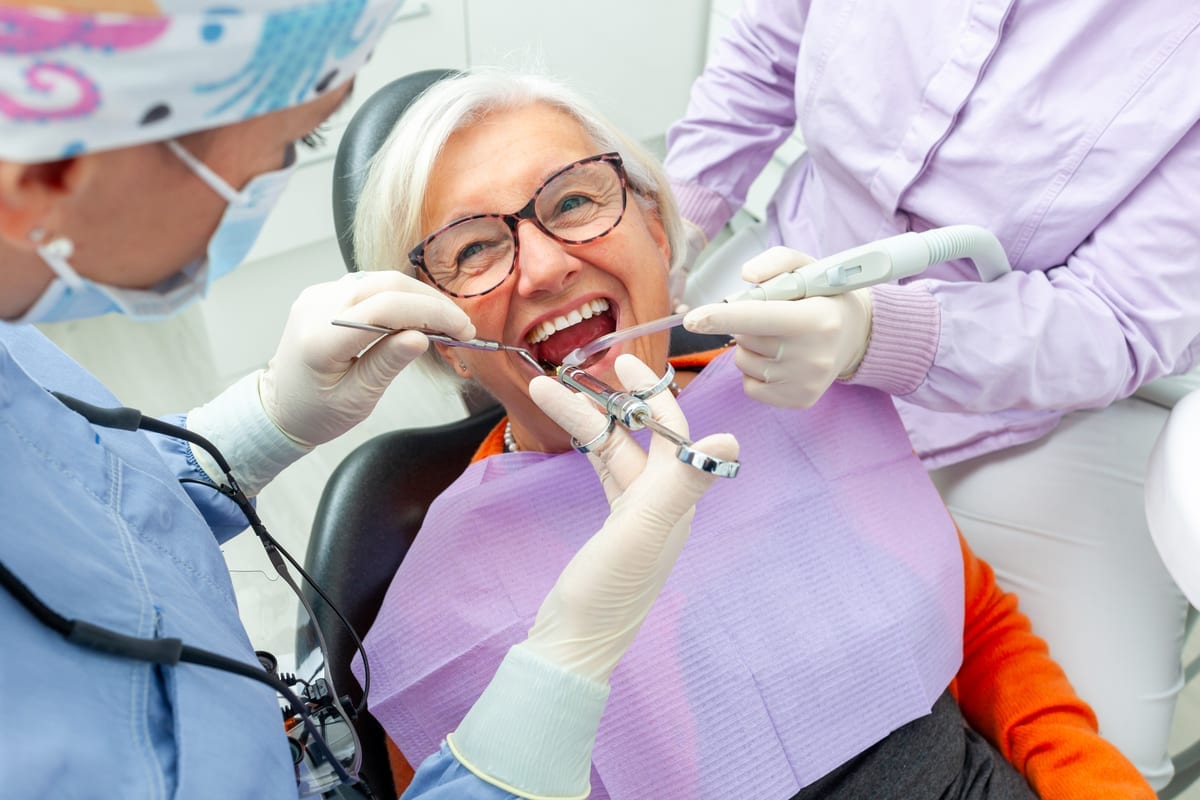
The implant process happens in stages over several months. First, a detailed exam and imaging session maps the treatment area. Next, the titanium post is surgically placed into the jawbone. Local anesthesia is used to keep the procedure comfortable. After placement, a healing period of several months follows. During this time, the implant fuses securely with the surrounding bone.
Once healing is complete, a small connector called an abutment is attached. The abutment holds the final crown in place. The crown is custom-made to match your natural teeth in size and color. The final step is attaching this crown to the abutment. After that, the restoration is complete. Most patients are very pleased with both the appearance and function of their new tooth.
How Dental Implants Compare to Other Options
There are several ways to replace missing teeth. Bridges, partial dentures, and full dentures are common alternatives. Each option has benefits depending on the patient’s situation. However, implants offer some distinct advantages worth understanding. They preserve jawbone by stimulating it just like a natural root does. Other options do not provide this stimulation, which can lead to gradual bone loss.
Bridges require reshaping the teeth on either side of the gap. This permanently alters otherwise healthy teeth. Partial dentures can shift over time and may feel less secure. Full dentures can affect speech and chewing confidence for some patients. Implants avoid these concerns in most cases. They are also designed to last many years with proper care. Learn more about your options by visiting our services page.
Caring for Your Implants After Treatment
Caring for dental implants is straightforward. Brush twice daily using a soft-bristled toothbrush. Floss once a day, paying attention to the area around the implant. An antimicrobial mouth rinse can also be helpful. Routine dental visits are essential for monitoring implant health. Our dental team checks the implant, crown, and surrounding tissue at each visit.
Avoid habits that can damage implants over time. Chewing on ice, hard candies, or non-food items can stress the crown. If you grind your teeth at night, a custom nightguard may be recommended. This protects both the implant and natural teeth. With consistent care, most implants can serve patients well for decades. They are considered one of the most durable tooth replacement solutions available.
Understanding the Healing Timeline
Healing after implant surgery varies by individual. Most patients experience mild soreness for a few days after placement. Swelling and minor bruising are normal and usually resolve quickly. Over-the-counter pain relief is often sufficient during recovery. Our dental team provides detailed aftercare instructions to support healing. Following these instructions closely makes a significant difference in outcomes.
The full osseointegration process typically takes three to six months. This timeline depends on bone quality and individual healing rates. Some patients may need additional time. Patience during this phase is important. Rushing to the next stage before full fusion can compromise the implant. Once healed, the implant is ready for the final restoration. The wait is worthwhile for a result built to last.
Dental Implants represent a significant advancement in restorative dentistry. They restore function, appearance, and confidence for patients with missing teeth. Understanding the process helps patients make informed decisions about their oral health. At Lilburn Smile Makers Dental, our dental team is here to guide you every step of the way. We are also proud to offer family dentistry and cosmetic dentistry services to meet a wide range of needs. Learn More about how we can help you.
Frequently Asked Questions
How long do Dental Implants last?
With proper care and regular dental visits, dental implants can last many years — often decades. The titanium post is designed to be a permanent fixture in the jawbone. The crown on top may eventually need replacement after significant wear, but the implant itself is highly durable.
Is the implant placement procedure painful?
Most patients report less discomfort than they expected. Local anesthesia is used during the procedure to minimize sensation. Post-surgical soreness is typically mild and manageable with over-the-counter pain relievers. Our dental team provides clear aftercare instructions to keep recovery comfortable.
Can Dental Implants fail?
Implant failure is uncommon but can occur. Risk factors include smoking, uncontrolled systemic health conditions, and poor oral hygiene. Infection at the implant site is another possible cause. Following your dentist’s care instructions and attending regular checkups greatly reduces the risk of complications.
Are Dental Implants suitable for seniors?
Yes, age alone is not a barrier to receiving dental implants. Many older adults are excellent candidates. Overall health, bone density, and gum health matter more than age. Our dental team evaluates each patient individually to determine if implants are the right fit.
What happens if bone loss has already occurred?
Bone loss from a missing tooth does not automatically disqualify you from implants. A bone grafting procedure can often rebuild the necessary bone volume. This adds time to the overall treatment process but is a common and well-established technique. Our team will assess your bone levels and discuss options during your consultation. You can also reach our team with any questions before your visit.