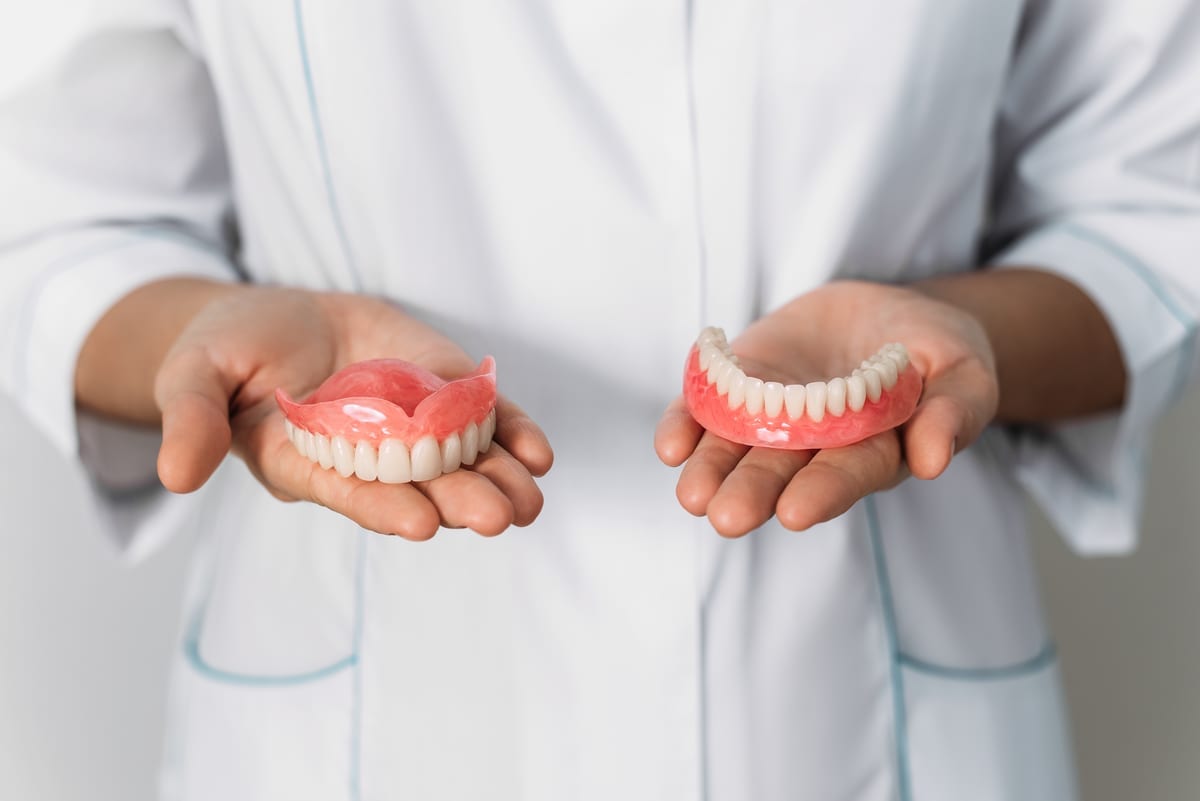
If you’ve lost one or more teeth, you’re probably weighing your options carefully. The debate around Dentures vs Implants: Which Actually Preserves Your Jawbone? is one we hear often at our Mountain Park area practice. Both options restore your smile, but they behave very differently inside your mouth. Understanding those differences helps you make the best decision for your long-term oral health.
At Lilburn Smile Makers Dental, Dr. Sun Kim works with patients from Mountain Park, GA every day on exactly this question. This article gives you an honest, side-by-side comparison — covering bone preservation, cost, function, and quality of life. No pressure, just clear information.
How Tooth Loss Affects Your Jawbone in Mountain Park
Most people don’t realize that your teeth do more than chew food. They also stimulate the jawbone every time you bite down. That stimulation signals your body to keep producing bone tissue in that area.
When a tooth is lost, that stimulation stops immediately. The jawbone beneath the gap begins to shrink — a process called resorption. Within the first year alone, you can lose up to 25% of bone width at that site.
Over time, resorption changes the shape of your jaw. It can alter your facial appearance and make future dental work more complicated. This is why bone preservation matters so much when choosing between dentures and implants.
Dentures: Affordable but Limited Bone Protection
Dentures are removable appliances that replace missing teeth. They sit on top of the gum tissue and are a time-tested, affordable solution. However, they do not address the underlying bone loss issue.
Because dentures rest on the gums rather than anchoring into the bone, they provide no stimulation to the jaw. Bone resorption continues underneath the denture. Over several years, this causes the denture to fit poorly as the jawbone shrinks.
Here are some important facts about dentures to keep in mind:
- They typically need refitting or replacement every 5–7 years
- Bone loss beneath the denture is ongoing and progressive
- Chewing efficiency is reduced compared to natural teeth
- Adhesives may eventually be needed to keep them secure
- They are generally the lower upfront cost option
Dentures are a legitimate solution — especially for patients who may not be candidates for surgery. But it’s important to understand what they can and cannot do for your jawbone long-term.
Dental Implants: The Gold Standard for Bone Preservation
Dental implants work very differently from dentures. A small titanium post is placed directly into the jawbone, acting as an artificial tooth root. That post integrates with your bone through a process called osseointegration.
Once integrated, the implant stimulates the jawbone just like a natural tooth root does. This stimulation halts — and in some cases partially reverses — bone resorption. Implants preserve the structure of your jaw over the long term.
Here are the key advantages implants offer over dentures:
- Direct stimulation of the jawbone prevents ongoing bone loss
- Chewing function is restored to near-natural levels
- They are fixed in place — no removal needed
- They can last 20+ years with proper care
- Facial structure is better maintained over time
The upfront cost of implants is higher than dentures. However, when you factor in the long-term cost of denture replacements and the value of bone preservation, implants often provide better overall value.
Cost, Function, and Quality of Life: An Honest Comparison
Cost is usually the first concern patients raise. Dentures cost significantly less upfront than implants. But that initial savings can shrink over time as dentures require adjustments, relining, and eventual replacement.
Implants involve a surgical procedure and a longer treatment timeline — often several months. Some patients require bone grafting before implant placement if significant resorption has already occurred. That adds both time and cost.
From a quality-of-life standpoint, many patients report that implants feel far more natural. You can eat, speak, and smile with confidence. There is no concern about slippage or adhesives during daily life.
Dentures, while functional, can feel less secure — particularly as bone loss progresses. Some patients feel self-conscious when eating certain foods or speaking in public settings. These are real quality-of-life factors worth considering.
For patients interested in a broader approach to their smile, Cosmetic Dentistry Mountain Park options at our practice can complement either tooth replacement solution beautifully.
What Happens Before You Can Get Implants?
Not every patient qualifies for implants right away. Good candidates typically have adequate bone volume, healthy gums, and good overall oral health. Dr. Sun Kim evaluates each patient individually before recommending a treatment path.
If gum disease is present, it must be treated before implant placement. Advanced resorption may require a bone graft to rebuild volume. These steps add time but improve long-term success rates significantly.
Some patients also have underlying dental concerns that need attention first. For example, if a tooth requires removal due to infection, a Root Canal Therapy Mountain Park evaluation may be the right starting point to determine if the tooth can be saved or needs replacing.
A thorough consultation helps you understand exactly where you stand and what your personalized path looks like.
Which Option Is Right for You?
The right choice depends on your unique situation. Patients who want the strongest long-term jawbone protection and can commit to the implant process tend to do best with implants. Patients who need a faster, more affordable solution may find dentures are the right fit for now.
Some patients even choose implant-supported dentures — a hybrid option. This approach anchors a denture to implants for better stability while offering some bone stimulation. Dr. Kim can walk you through all available options at your consultation.
The key takeaway: dentures replace the visible tooth, while implants replace the tooth and its root. That root replacement is what makes all the difference for your jawbone over time.
Conclusion: Your Jawbone Deserves Long-Term Care
Choosing between dentures and implants is not just about cost or convenience. It is a decision that affects the structure of your face, your ability to eat comfortably, and your confidence for years to come. Bone preservation is a critical factor that many patients don’t fully consider until bone loss is already underway.
At Lilburn Smile Makers Dental, Dr. Sun Kim is committed to helping Mountain Park patients make informed, empowered choices about their oral health. We take the time to explain every option honestly and without pressure. Book Now to schedule your appointment with our team.
Frequently Asked Questions
Do dentures cause jawbone loss over time?
Yes. Dentures rest on the gums and do not stimulate the underlying jawbone. Without that stimulation, the bone gradually shrinks through a process called resorption. This is one of the main reasons dental implants are often recommended for long-term bone health.
How long do dental implants last compared to dentures?
Dental implants can last 20 years or more with proper care, and many patients keep them for life. Traditional dentures typically need relining or replacement every 5–7 years as the jawbone changes shape beneath them.
Can I get implants if I’ve already been wearing dentures for years?
Possibly, but it depends on how much bone remains. Long-term denture wear often leads to significant bone resorption. A bone graft may be needed before implant placement. Dr. Sun Kim will evaluate your bone volume during a consultation to determine the best path forward.
Are dental implants painful to get?
The procedure is performed with local anesthesia, so patients typically feel pressure but not sharp pain during placement. Some soreness during recovery is normal and manageable with over-the-counter pain relief. Most patients find the experience more comfortable than they expected.
Is there a middle-ground option between dentures and implants?
Yes — implant-supported dentures are a popular hybrid solution. These dentures snap onto two or more implants for better stability and some degree of bone stimulation. They offer improved chewing function and confidence compared to conventional removable dentures.