If you are concerned about maintaining healthy gums and a white smile, you should not be. Many other people in the Lilburn area face the same difficulty. Gum disease (also known as periodontal disease) is a significant health issue, affecting many residents. Untreated periodontal disease can lead to further complications in the supporting tissues around the teeth. Fortunately, research has shown that your diet plays a major role in both preventing and treating gum disease.
In this blog, you will find detailed information on the top five foods to include in your diet to promote healthy gums and create a beautiful smile, so you will have everything you need to promote daily oral health.
What Is Periodontal Disease?
Before looking at the top 5 foods for your gums, let’s briefly review periodontal disease. Periodontal disease begins as gingivitis, which presents with swollen, bleeding gums. If left untreated, gingivitis will progress to periodontitis, which can result in tooth loss and many other health problems. Factors such as poor oral hygiene, smoking, and some pre-existing medical conditions may put you at greater risk of developing periodontal disease.
Many residents do not realize how important their diet is in fighting periodontal disease in Lilburn. Including certain foods in your daily diet can dramatically improve both your gum and overall oral health.
Foods That Promote Healthy Gums
Fruits and Vegetables
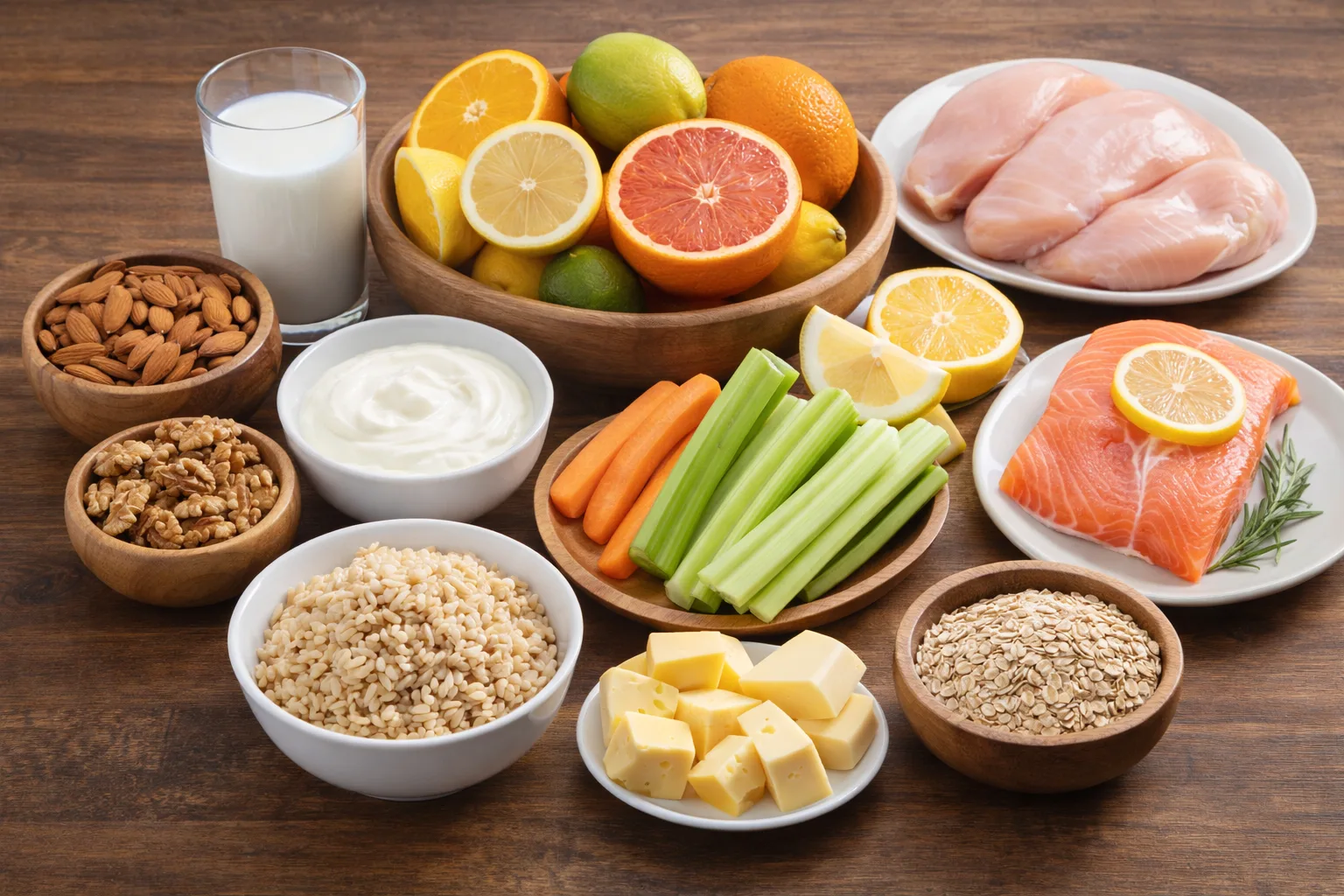
- Citrus fruits (oranges, grapefruits, lemons): These fruits are high in vitamin C, which supports the formation of collagen, assisting with the repair of gum tissue.
- Crunchy vegetables (carrots, celery): Not only do they provide essential nutrients, but they also help clean teeth naturally as they are chewed, due to their fibrous texture, which stimulates saliva production. Saliva neutralizes the acids that can be harmful to teeth.
Nuts and Seeds
- Almonds, Walnuts: These are high in protein and healthy fats. They also contain calcium and magnesium, both of which are essential for maintaining strong teeth and bones.
- Chia seeds: Chia seeds are a source of omega-3 fatty acids, which can help reduce inflammation within the body and support gum health.
Dairy Products
- Yogurt and Cheese: Both are high in calcium and probiotics. Probiotics promote healthy bacteria in the mouth and help combat harmful bacteria, reducing the risk of gum disease.
- Milk: Milk is a good source of calcium and vitamin D, and contributes to strengthening teeth and bones, and is therefore a great addition to your dental health care routine.
Whole Grains
- Brown Rice and Oats: Whole grains are high in dietary fiber, which promotes digestion and helps maintain a healthy weight, indirectly contributing to your overall health and, therefore, the health of your gums.
- Quinoa: A superfood rich in protein, essential vitamins, and minerals that help heal and repair gum tissue.
Lean Proteins
- Chicken and Fish: Lean meats provide essential nutrients, such as zinc and phosphorus, which are crucial for maintaining healthy gums. Fish, especially fatty varieties like salmon, are rich in omega-3 fatty acids that help reduce inflammation.
- Legumes: Beans and lentils are excellent plant-based protein sources that also provide fiber and essential vitamins.
The Importance of Staying Hydrated
Drinking enough fluids helps produce saliva, which is vital for washing away food and bacteria from the mouth! Adequate water intake throughout the day has been shown to greatly improve the condition of your gums! Among the beverages beneficial for gum health are herbal teas (such as green tea), which have been found to have anti-inflammatory effects.
Lifestyle Choices for Healthy Gums
Diet alone significantly impacts your ability to avoid developing periodontal disease in Lilburn. However, a comprehensive approach must also be adopted in your oral care. Below are several forms of lifestyle choices to consider:
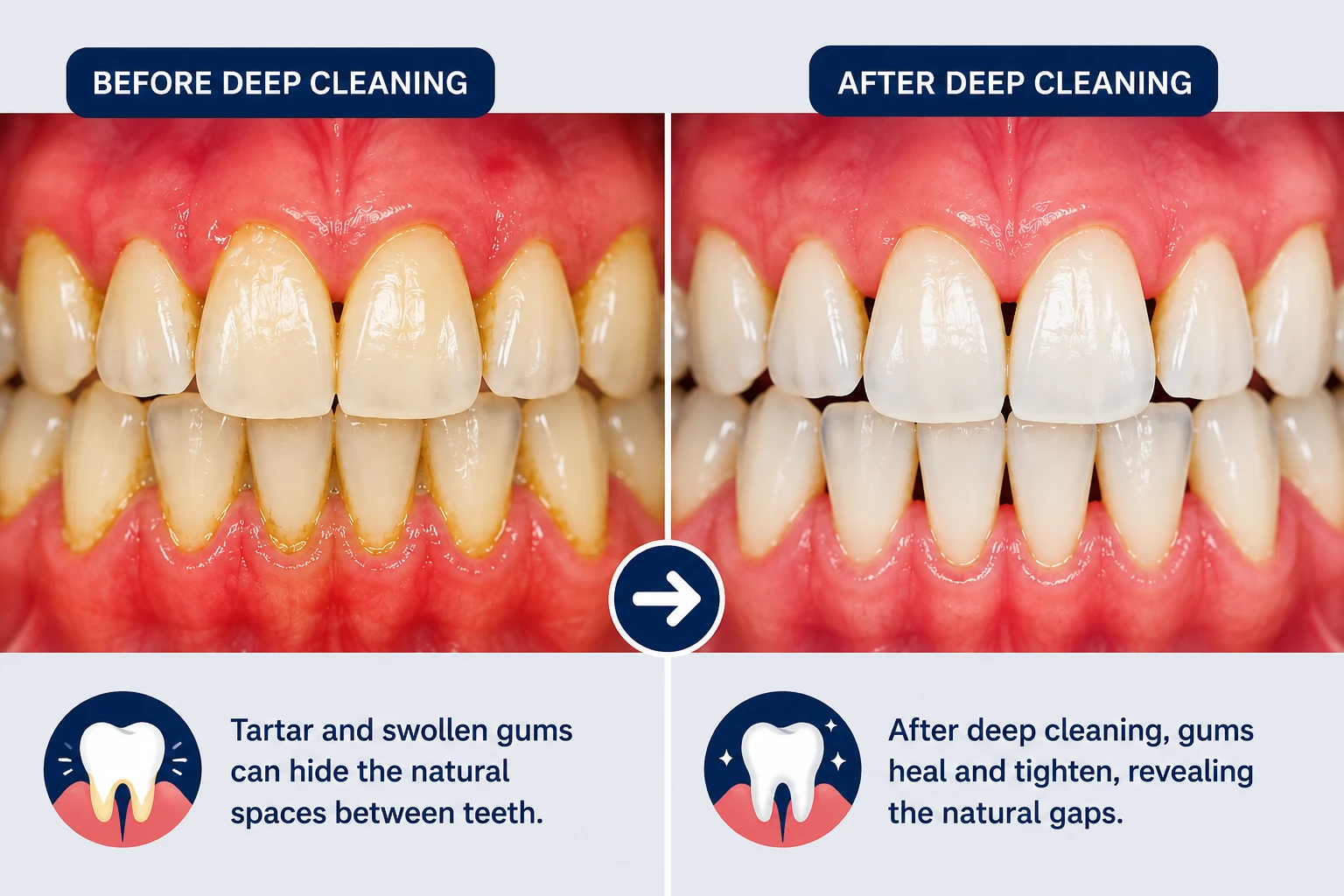
- Regular Trips to the Dentist: Schedule routine check-ups to detect problems early. Professional deep teeth cleanings can help remove plaque and tartar buildup. In many cases, gaps in teeth after deep cleaning may gradually appear smaller as the gums heal and adapt over the following weeks.
- Good Hygiene Practices: You should always brush (twice daily) and floss (once daily) to remove plaque and food particles from between your teeth and around your gums. If you really want to kill additional bacteria that could damage your gums, consider using an antibacterial mouthwash.
- Do Not Use Tobacco: The use of tobacco products (smoking or chewing) will greatly increase your risks of developing gum disease. If you stop smoking or chewing, you can dramatically improve your gum health and overall health.
Conclusion – Take Control Of Your Gum Health
Eating a healthy diet will help prevent periodontal disease in Lilburn, GA, and keep your gums healthy. A balanced diet consisting of a variety of healthy, whole foods, such as fruits and vegetables, whole grains, lean meats and fish, and low-fat dairy products, will make a difference. Maintaining good oral hygiene and visiting your dentist regularly will also benefit you.
If you would like individualized treatment or a dental examination, do not hesitate to contact Lilburn Smile Makers. Start your journey to a better smile today!
Common Questions People Ask
What are the early signs of periodontal disease?
The early signs include gums that appear red, swollen, or inflamed. You may also notice that your gums bleed when brushing or flossing, and your breath may become noticeably bad.
How can I improve my gum health quickly?
Focus on adopting a balanced diet rich in vitamins and minerals that support gum tissue, such as vitamin C. Ensure you brush your teeth twice a day with fluoride toothpaste and floss daily to remove plaque and bacteria. Regular dental checkups and cleanings are essential to prevent buildup that can lead to gum disease.
Is it too late to reverse gum disease?
It’s not too late to reverse gum disease, especially if it’s detected early. Early-stage gum disease, known as gingivitis, can often be reversed with improved oral care, including more diligent brushing, flossing, and professional cleanings.
Can diet alone prevent gum disease?
A well-rounded diet high in vitamins and minerals, especially vitamin C and calcium, helps promote gum tissue health. However, for optimal prevention, it’s essential to combine a healthy diet with consistent oral hygiene and regular dental visits.
Are there specific foods to avoid for gum health?
Sugary and acidic foods can contribute to plaque buildup and gum inflammation, so it’s best to limit them.