
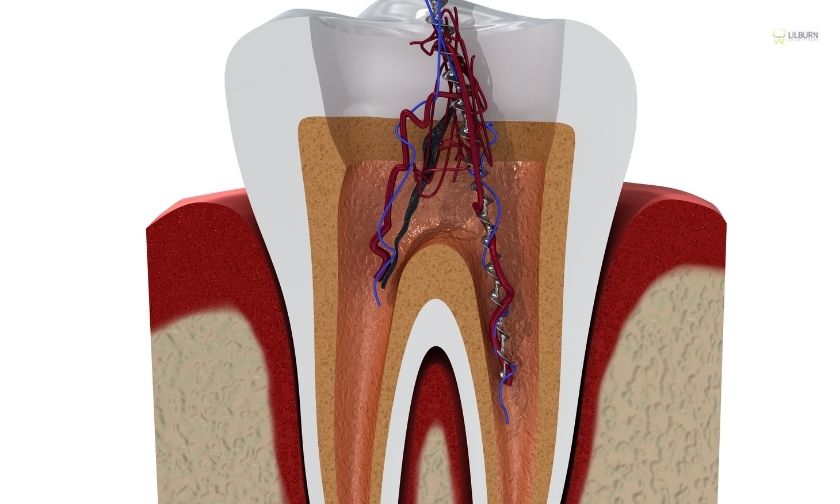
If you’re experiencing severe tooth pain, sensitivity, or even swelling, you may be wondering what is causing the problem. Many people may not take much notice of their aches and pains, but in reality, these problems may be signs of more complex issues—a problem in your tooth pulp that may require a root canal. In many cases, people may not realize that their aches and pains are cause for concern because their tooth pulp may be unhealthy. However, at Lilburn Smile Makers, we raise awareness of the signs that may require root canal treatment so patients can receive prompt treatment. In this blog post, we will discuss the key signs to look for and their significance.
What is a Root Canal and Why Is It Necessary?
A root canal is a dental procedure performed when the pulp of a tooth becomes infected or damaged. The infection often occurs due to tooth decay, cracks, or trauma. If not treated, an infection can spread and lead to conditions such as an abscess or even tooth loss.
Understanding when a root canal is necessary can prevent more painful and costly procedures in the future. If you experience any of the following symptoms, it may be time to come to our Lilburn office for a root canal evaluation.
Key Signs You May Need a Root Canal
Severe Tooth Pain
One of the most common signs that you might need a root canal is severe dental pain. Severe dental pain may be spontaneous or worse when you chew. In most cases, it will be described as deep inside the tooth and will not be relieved after a few hours.
Tooth Sensitivity
If you notice increased sensitivity to hot or cold foods and drinks, this is a clear sign of infection or pulp damage in the affected tooth. Although minor sensitivity may be considered normal in such situations, extreme or long-term discomfort is a good reason to consider root canal therapy.
Swollen Gums
Swelling of the gums near the affected tooth can also be a sign of a problematic root or pulp infection. In most cases, swollen gums are painful and may feel soft. When an abscess is present, it strongly indicates that a root canal is necessary.
Darkened Tooth
Another sign that a tooth may need a root canal is when it begins to turn gray or darker. This could be a sign of the nerve inside the tooth having died, possibly due to trauma or infection.
Tenderness or Pain While Chewing
Painful experiences while chewing or touching the affected tooth can be a major indicator. When the pulp of the affected tooth is infected, surrounding tissues are also affected, and pain is felt while chewing.
Understanding the Root Canal Procedure
When you identify one or more of these signs, it is important to schedule a consultation with your dentist. During this consultation, your dentist will examine your tooth, as well as perform an X-ray to establish whether there is any infection or damage to the tissues that surround this specific tooth. When a root canal procedure is imminent, here is what to expect:
Step 1: Local Anesthesia – To ensure you are comfortable and pain-free, your dentist will first administer local anesthesia to numb the area around the affected tooth, keeping you comfortable during the emergency treatment.
Step 2: Removal of Infection – Here, the dentist will make an opening in the top of the tooth, commonly called the crown, before removing the infection.
Step 3: Cleaning and Shaping – The tooth is then cleaned and shaped after the pulp is removed.
Step 4: Filling and Sealing – Finally, the tooth is filled with a biocompatible material to seal it and prevent further infection.
Step 5: Restoration – The tooth may be crowned. This is done in most cases.
Benefits of Early Intervention
If you are experiencing symptoms similar to those mentioned above, timely intervention is crucial to avoid significant damage and complications. By doing so, not only will you save your tooth from damage, but you will also avoid having it extracted from your mouth.
At Lilburn Smile Makers, we’re dedicated to providing our patients with the most efficient and pain-free root canal procedures possible. There’s a risk of spreading infection if a patient waits to have root canal therapy in Lilburn, which could lead to the tooth being lost altogether.
How Lilburn Smile Makers Can Help
If you are experiencing the above symptoms, do not let the condition worsen. Instead, schedule an appointment with our team here at Lilburn Smile Makers. We understand the importance of your dental care and will help you through every step.
Conclusion: Take Action for Your Oral Health
Root canal therapy in Lilburn is a common procedure that seeks to preserve your tooth and prevent infection from spreading. If you notice any of the symptoms outlined above, do not hesitate to contact us for an assessment. This will help in an easy and effective healing process.
To schedule your appointment, contact Lilburn Smile Makers today. We are here to answer any questions you have about root canal therapy and to ensure you receive the best possible care.
What are the principal signs that I need a root canal?
Pain, sensitivity, swelling, and changes in tooth color are signs that you need a root canal. Therefore, if you experience any of these symptoms, you should visit your dentist.
How long does a root canal procedure take?
The procedure of root canal therapy may take one or two hours, depending on the complexity of the case and the tooth in question.
Does having a root canal hurt?
Most patients report little to no pain, especially since the procedure is done under local anesthesia. After the procedure, a patient may experience some discomfort, which can be easily controlled with common pain relievers.
How soon will I feel better after a root canal?