If you feel tooth sensitivity or lingering pain that persists, you are not alone. Many people in the US experience tooth discomfort each year, often because a cavity reaches the inside of the tooth. Today, dentists try to save your natural teeth whenever possible, and root canal treatment is one of the best ways to do so. By the end of this blog, you will know when you need a professional root canal treatment, how it stops future dental problems, and why getting it early is good for you in the long run.
Why Saving Your Natural Tooth Matters
Keeping natural teeth has long-term advantages for your oral health and facial structure. The American Dental Association (ADA) notes that preserving the natural tooth helps maintain proper chewing function and prevents adjacent teeth from shifting.
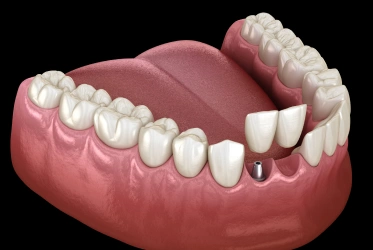
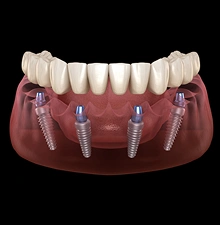
Many people think that removing a tooth will quickly fix the problem. But when you remove a tooth, the bone in your jaw can go down. The teeth next to that space may move into the space, too. After some time, you might need to have something new put in, such as an implant or a bridge. A root canal therapy in Lilburn GA, can help you avoid this problem if you get it done as early as possible.
Another key point is that root canals help take away pain. They do not make it worse. With new anesthetics and tools, most people say that getting one feels like a routine filling. Minor soreness after is usual and goes away soon.
Understanding Root Canal Therapy
To understand why your dentist may suggest root canal treatment, you need to know what goes on inside a tooth. Under the enamel and the dentin, there is pulp. The pulp is a soft tissue containing nerves, blood vessels, and connective tissues. If bacteria enter this area due to a deep cavity, a crack, or an injury, the pulp can be damaged or infected.
Over time, germs or infection can spread in your mouth. This can lead to swelling in your gums, abscess formation, and tooth loss. That is why root canal therapy in Lilburn, GA, is so important. The dentist removes the infected tissue inside your tooth, cleans the space, and seals it. This helps stop more future dental problems with your tooth. You get to preserve your own tooth health. It also helps relieve discomfort.
When a Root Canal Is Usually Recommended
You might need treatment if you experience:
- A persistent toothache
- Sharp pain when you chew
- A feeling of sore teeth when you have hot or cold foods or drinks, and it stays for more than a few seconds
- Your gum is swollen, or you see a pimple-like bump near your tooth
- Darkening or discoloration of a tooth
These signs do not always mean you have an infection. But they show that you should get a dental checkup.
Step-by-Step Root Canal Procedure
Patients often feel better when they know what will happen. The process is usually finished in one or two visits. This depends on how bad the problem is.
Examination and X-rays
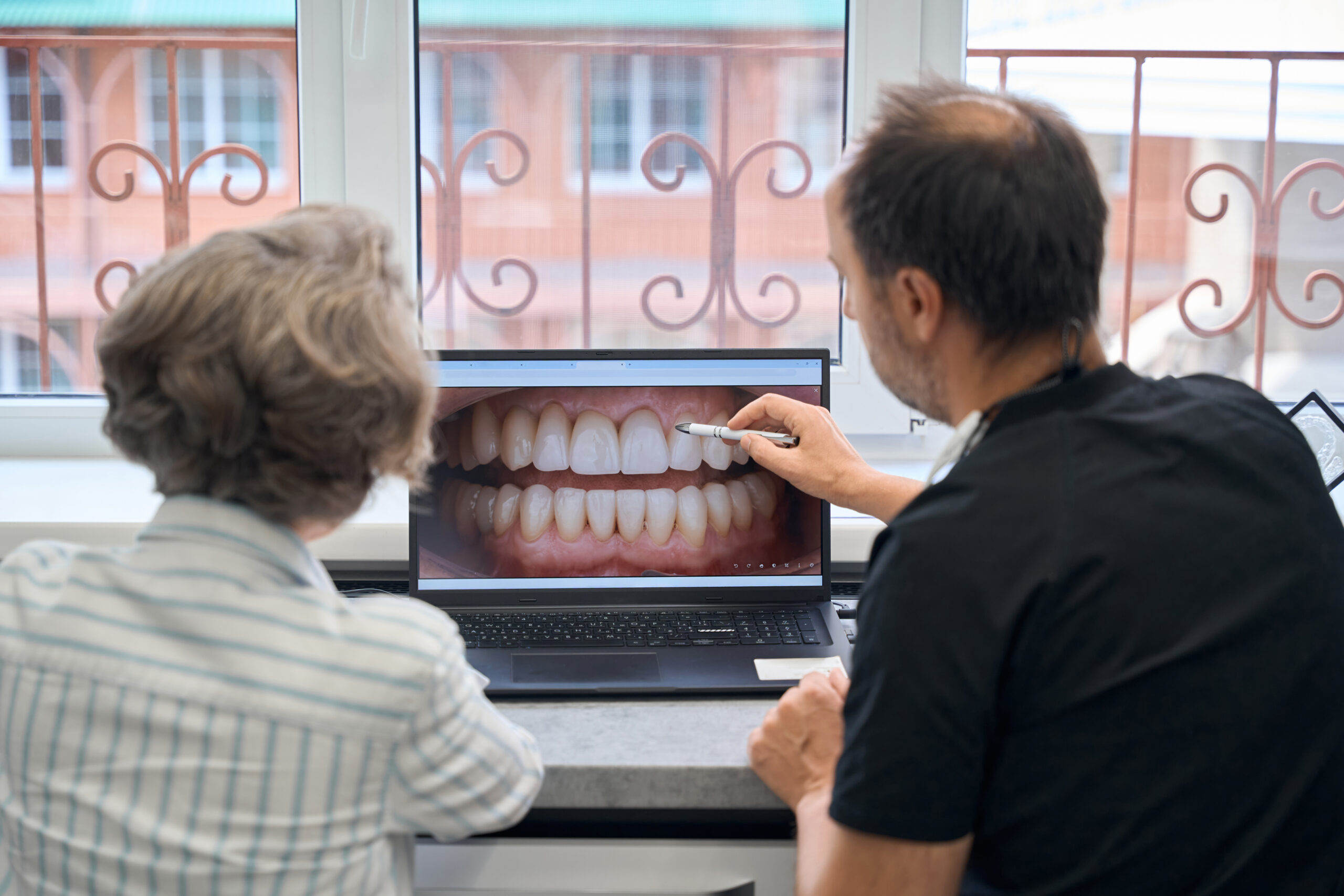
The dentist examines the infected tooth and takes X-rays to determine whether there is more serious damage.
Local Numbing for Comfort
A local numbing shot is given so you don’t feel pain during the work.
Opening and Cleaning
A tiny hole is drilled into the tooth to remove the infected pulp. Then, the canal is cleaned and shaped with care.
Filling the Canal
A safe filling is used to close the canal. This stops bacteria from coming back.
Final Restoration
A crown might be needed to make the tooth strong again, primarily for back teeth that you use for chewing a lot.
Recovery and Post-Treatment Expectations
It is normal to feel some tenderness for a couple of days. Most people can go back to their daily activities the next day.
Follow-up care tips include:
- Do not chew on the treated tooth until it has a crown.
- Keep up with good brushing and flossing every day.
- Go to your dentist to have your tooth watched over time.
Success rates for professional root canal therapy in Lilburn, GA, are high when supported with good oral hygiene and timely care.
Preventing Future Damage
Taking care of your teeth starts with proper prevention methods. If you do these simple things, you may not need a root canal in the future.
- Brush your teeth twice a day with fluoride toothpaste
- Do not eat too many sweet snacks, and do not drink acidic drinks
- Go to the dentist in Lilburn for dental cleaning regularly
- Use a mouthguard if you grind your teeth at night
- Fix cavities early. This can stop the infection from spreading
Addressing minor problems early can help keep your natural teeth healthy for many years.
A Gentle Path to a Healthier Smile
You can often save a damaged tooth if you get a root canal in time. Going to a trained expert helps ensure comfort, function, and long-term oral health. If you have been experiencing tooth pain, sensitivity, or it seems infected, getting it checked early can make a big difference. Talk to Lilburn Smile Makers to find out what you can do and see what steps will help keep your smile.
Do you want relief from tooth sensitivity or discomfort while keeping your own tooth? Schedule a root canal consultation with Lilburn Smile Makers today.
FAQs
1. How long does a root canal usually take?
Most root canal appointments take about 60 to 90 minutes. The exact time depends on which tooth is being treated and the severity of the infection. A molar can take longer and may require a second visit.
2. Can a root canal fail later?
It does not happen often, but it can occur if bacteria get back into the tooth. Brushing and flossing your teeth, and getting treatment on time help prevent this from happening, so your tooth stays healthy for a long time.
3. Do I always need a crown after a root canal?
You do not always need a crown after a root canal. But back teeth, like molars, often need crowns to restore their strength. Your dentist will recommend restoration based on bite force and tooth structure.
4. What happens if I wait to get treated?
If you wait, the infection can get worse. You might get an abscess, more swelling, or even lose a tooth. Taking care of it early can avoid future complications.
5. Are root canals painful?
Modern methods help make the treatment feel comfortable. Most discomfort is mild and temporary compared to the pain of infection.
6. How soon can I eat after a root canal?
You can eat when the numb feeling goes away. It is good to start with soft foods. Try not to chew with the tooth that got treated until it is fully fixed.