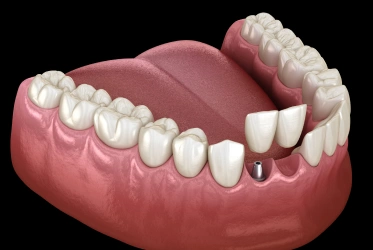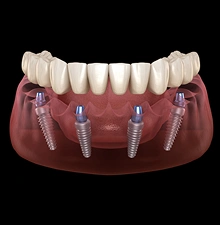

Bridges are designed for durability, but they are not “maintenance-free,” as neglecting your oral health can lead to plaque building up around the anchor teeth or beneath the bridge, causing cavities or gum disease.
If you are searching for information about dental bridges, you want straight, practical guidance. This blog gives you that – easy-to-follow steps to help maintain your restoration.
How to Care for Your Dental Bridge Properly
Why Proper Care Is Important For Your Dental Bridge
Your dental bridge relies on the strength of your supporting teeth and your gum tissue. According to the CDC, adult gum disease is a primary cause of tooth loss. Plaque accumulation under a dental bridge will affect the supporting teeth.
If you are searching for dental bridges in Lilburn, you are genuinely interested in their restoration and long-term performance. Long-term stability is achieved through consistent home care and dental visits.
Failure of the bridge and underlying structures can result from decay and periodontal disease of the abutment teeth; maintenance is not optional.
Daily Cleaning Routine That Protects Your Bridge
Brushing your teeth twice daily is essential, but it does not suffice alone:
- Brush teeth with a soft-bristle brush to avoid gum irritation.
- Angle the brush at the gumline to remove plaque buildup.
- Brush every surface of the bridge, including the lingual and occlusal surfaces.
- Ensure the use of ADA-approved, fluoride toothpaste.
The crucial part of this brushing routine for a dental bridge is cleaning under the false teeth, since this is where much of the buildup typically accumulates.
Tools for the task:
- Floss threader
- Bridge super floss
- Water flosser
- Interproximal brushes
A water flosser can be quite beneficial for patients who struggle with traditional flossing; it shoots a stream of water under the artificial teeth to dislodge food particles.
Practicing these habits will reduce your risk of gingivitis and periodontitis. If you’re unsure how to use certain appliances correctly, ask your dentist instead of guessing.
What to Avoid With a Dental Bridge
A bridge is durable but not indestructible.
Refrain from:
- Chewing ice
- Biting hard candy
- Opening packages with your teeth
- Excessive pressure from grinding
To address any problems that may arise from grinding at night, your dentist may prescribe a night guard to protect natural teeth and restorations.
Sticky foods tend to adhere to restorations, increasing stress on the bridge. Occasional treats are okay, but routine consumption should be minimized.
It is important to discuss a bridge restoration with your dentist and to review any post-procedure information, including implants placed, root canal treatment, and other recent treatments.
Professional Care and Checkups
Regular dental visits will complement home care.
The ADA recommends visiting your dentist regularly to monitor your oral health and prevent decay, gum disease, or other potential problems that may affect the restoration. Your dentist will evaluate your bridge and check:
- Margin of the bridge
- Gum tissue
- X-rays if needed
- Professional cleaning
It is not possible to remove hard tartar from an all-porcelain dental bridge; this requires professional cleaning.
If you are in Lilburn, take advantage of the experienced providers located in the area who are knowledgeable in preventive care, whether you are close to the Lilburn City Park or just commuting on Lawrenceville Highway, and make your appointment with us to take care of even the smallest issues so they do not turn into big ones.
Signs Your Bridge Needs Attention
It’s possible to develop problems even with diligent care. Watch for:
- Bleeding gums around the bridge
- Chronic halitosis (bad breath that doesn’t go away)
- Sensitivity when you bite or chew
- Looseness
- Aching in the supporting teeth
While these signs are not necessarily an indication of bridge failure, they do warrant further inspection.
Do not try to cement a loose bridge yourself. Over-the-counter dental adhesives are not intended for this purpose, are not a substitute for proper treatment, and may require further care.
Inform your dentist immediately if you notice any changes to your restoration. A quick check will ensure the bridge continues to function.
How Long Does a Dental Bridge Last?
Given proper dental care and hygiene, dental bridges in Lilburn can last a decade or more-10 to 15 years is common, and many last even longer.
Your bridge’s lifespan is influenced by:
- How diligently you clean the bridge daily.
- Gum health.
- The alignment of your bite.
- Routine dental visits.
- General overall health status.
Individuals who combine consistent daily home care with a proactive preventive dentistry approach tend to achieve superior long-term results with their bridge.
Final Thoughts For Protecting Your Investment
Your dental bridges in Lilburn can improve chewing ability and enhance your appearance; protecting their function benefits your entire oral health. The equation is basic:
- Brush meticulously.
- Floss under the bridge daily.
- Be careful not to use excess force.
- Have regular exams.
- Address concerns quickly.
With consistent maintenance, a well-maintained restoration should remain in service for years.
Common Questions People Ask
How do I clean under my dental bridge properly?
Use a floss threader or super floss to pass under the artificial tooth daily. A water flosser can also help remove trapped debris. Cleaning underneath prevents plaque buildup and supports gum health.
Can food get stuck under a dental bridge?
Yes. Food particles can collect beneath the pontic (false tooth). This is normal but requires daily cleaning. Leaving debris in place increases the risk of gum inflammation and decay in supporting teeth.
Is it normal for my bridge to feel different over time?
Minor awareness is normal initially. However, looseness, discomfort, or shifting is not typical. If your bite feels uneven or the bridge moves, consult your dentist for evaluation.
How often should I see a dentist with a bridge?
Most patients benefit from checkups every six months. Some individuals with gum concerns may need more frequent visits. Regular monitoring helps extend the restoration’s lifespan.