
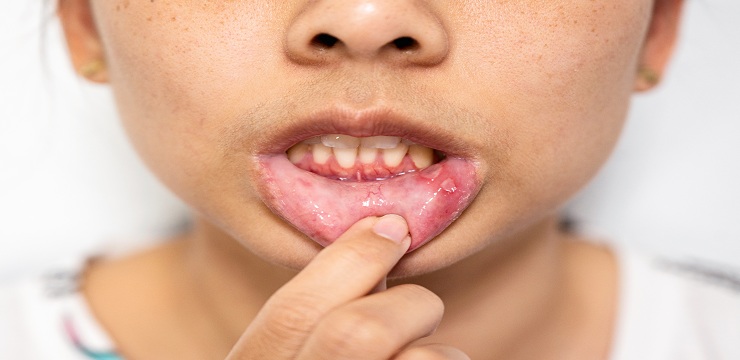
Did you know that gum disease affects nearly half of adults in the U.S.? It’s a common yet serious condition that can impact your overall health, from your smile to your heart. Dr. Sun Kim, a trusted professional at Lilburn Smile Makers, breaks down the phases of gum disease and offers valuable insights on how you can recover and protect your gums.
In this blog, you’ll learn about the different stages of gum disease, from the early signs of gingivitis to the severe consequences of advanced periodontitis. Dr. Kim will explain the importance of timely treatment and offer practical tips on how to restore and maintain your gum health.
Whether you’re experiencing the first signs of discomfort or you’re looking to prevent further damage, this guide will help you understand what steps you can take to recover effectively.
What Is Gum Disease?
Gum disease, also known as periodontal disease, refers to an infection of the tissues that surround and support your teeth. It’s caused by the accumulation of plaque, a sticky film of bacteria that forms on your teeth. There are two main types of gum disease: gingivitis and periodontitis.
- Gingivitis is the mildest form and is generally reversible with proper oral hygiene.
- Periodontitis, if left untreated, can lead to serious complications, including tooth loss and damage to the jawbone.
As plaque builds up over time, it hardens into tartar, which can only be removed by a dentist. The bacteria in plaque and tartar cause the gums to become inflamed. In the early stages, gum disease can often go unnoticed, which is why early intervention is crucial. Preventing gum disease from progressing can save you from more serious health complications, like heart disease and diabetes, which have been linked to gum disease.
Recognizing the symptoms of gum disease early is key to avoiding its more severe forms. Watch for red, swollen gums, bleeding when brushing, and bad breath. Regular dental visits are essential in detecting gum disease in its early stages and preventing its advancement with periodontal disease treatment in Lilburn.
The Phases of Gum Disease
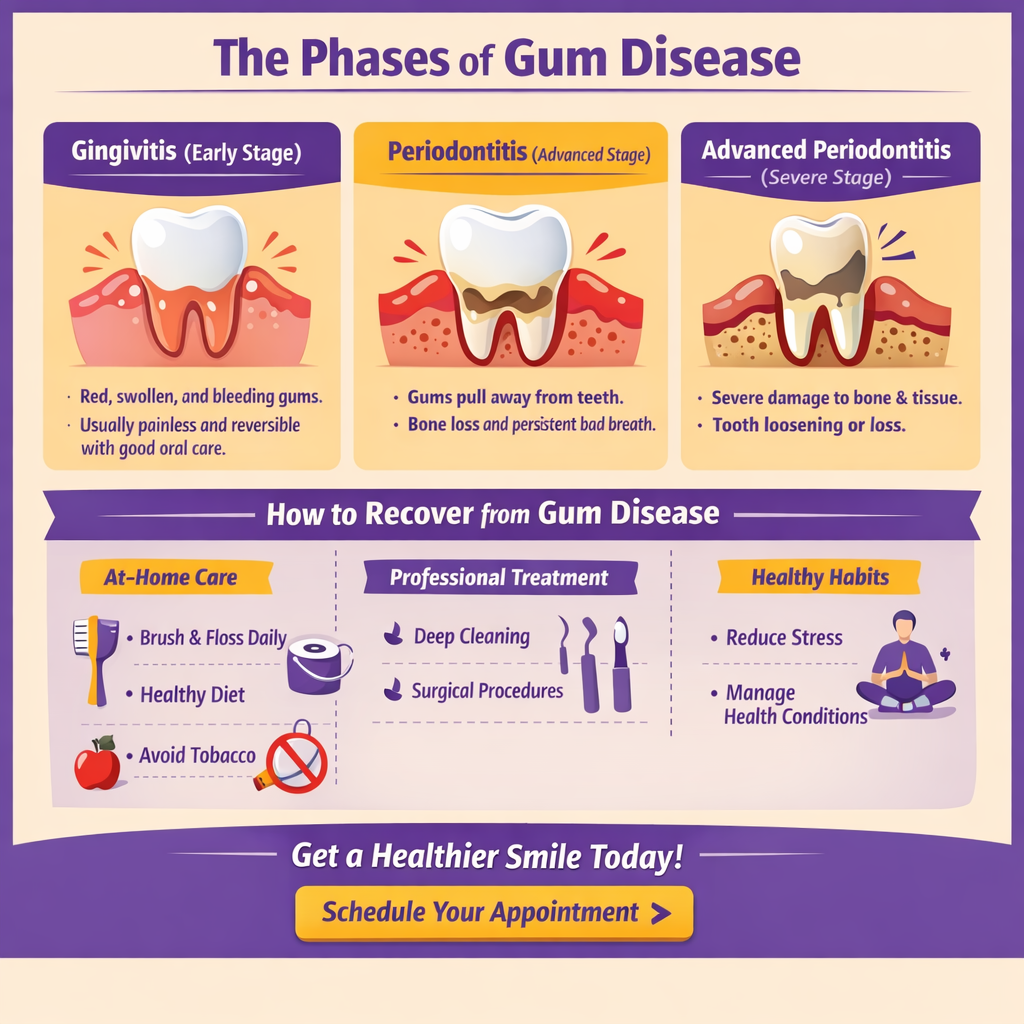
1. Gingivitis (Early Stage)
Gingivitis is the first, and least severe, stage of gum disease. It’s usually caused by poor oral hygiene that encourages plaque buildup on your teeth. At this point, the gums become inflamed, swollen, and may bleed when you brush or floss.
- Symptoms: Redness, swelling, and bleeding gums are the primary signs. The condition is typically painless, which is why many people don’t notice it.
- Treatment: The good news is that gingivitis is completely reversible with proper oral care. Regular brushing, flossing, and professional dental cleanings can remove plaque and tartar, helping the gums heal.
If left untreated, gingivitis can progress into a more severe form of gum disease, periodontitis.
2. Periodontitis (Advanced Stage)
Periodontitis occurs when gingivitis is left untreated, leading to a more severe gum infection. In this stage, the gums begin to pull away from the teeth, forming pockets that can collect food and plaque. This allows bacteria to grow, leading to further infection.
- Symptoms: In addition to redness and swelling, you may notice gum recession, pockets forming between your teeth and gums, and persistent bad breath. Your teeth might begin to feel loose.
- Treatment: Periodontitis requires more intensive treatment, including scaling and root planing, a deep cleaning procedure that removes plaque and tartar from below the gumline. In some cases, surgical intervention may be necessary to restore the gums.
Early intervention at this stage can prevent further damage to the gums and teeth.
Advanced Periodontitis (Severe Stage)
Advanced periodontitis is the most severe stage of gum disease. At this point, the tissue and bone that support your teeth are severely damaged, leading to tooth mobility and, potentially, tooth loss.
- Symptoms: You may experience extreme gum recession, severe bad breath, painful chewing, and tooth loss.
- Treatment: Advanced periodontitis may require flap surgery or bone grafting to restore the lost tissue and support. Surgical procedures are designed to clean the roots of the teeth and reduce pocket depths, promoting better healing and gum regrowth.
At this stage, it’s important to take action quickly to prevent the condition from becoming worse.
How to Recover from Gum Disease
1. At-Home Care
Effective at-home care is crucial in preventing and recovering from gum disease. Here are some essential practices:
- Daily Oral Hygiene: Brush your teeth at least twice a day and floss daily to remove plaque and prevent tartar buildup. Using an antimicrobial mouthwash can also help reduce bacteria in your mouth.
- Healthy Diet: Eating a balanced diet rich in vitamins and minerals, especially vitamin C, helps promote gum tissue health and repair. A healthy diet also strengthens your immune system, enabling it to fight off infections.
- Avoid Tobacco: Smoking and using tobacco products can worsen gum disease and hinder your recovery. Tobacco impairs blood flow to your gums, slowing healing and promoting bacterial growth.
2. Professional Treatments
While at-home care is essential, professional periodontal disease treatment in Lilburn is often required to fully recover from gum disease:
- Scaling and Root Planing: This deep cleaning procedure removes plaque and tartar from beneath the gumline, allowing your gums to heal. It’s often the first line of treatment for periodontitis.
- Surgical Options: In advanced cases, gum grafts, flap surgery, or bone grafts may be needed to restore gum tissue and bone structure.
- Ongoing Monitoring: After treatment, regular dental checkups are necessary to ensure your gums remain healthy and free of infection. Dr. Kim will guide you through the process of maintaining optimal gum health.
Lifestyle Changes for Better Oral Health
Making lifestyle changes can greatly improve your gum health and speed up recovery:
- Stress Management: High stress levels can contribute to gum disease, as it weakens the immune system. Managing stress through activities like yoga, meditation, and regular exercise can support gum health.
- Manage Chronic Conditions: Conditions like diabetes can make gum disease worse. Controlling your blood sugar levels can help prevent further damage to your gums.
Dr. Sun Kim’s Professional Advice for Gum Disease Prevention
Maintaining healthy gums is essential not only for a beautiful smile but also for your overall health. Dr. Sun Kim, a trusted dental professional at Lilburn Smile Makers, shares valuable tips for preventing gum disease and ensuring your gums stay healthy for the long term.
Tips for Prevention
- Regular Dental Visits: Dr. Kim emphasizes the importance of seeing your dentist regularly, at least every six months. Professional cleanings are essential in removing plaque and tartar that brushing and flossing can’t reach. Early detection of gum disease can help prevent it from progressing to more severe stages.
- Brush and Floss Daily: Proper oral hygiene is the foundation of gum disease prevention. Dr. Kim recommends brushing your teeth at least twice a day with fluoride toothpaste and flossing daily to remove food particles and plaque between your teeth. Using a soft-bristled toothbrush helps avoid gum irritation, while brushing for two minutes ensures a thorough clean.
- Use the Right Mouthwash: Mouthwash can help reduce bacteria in your mouth and prevent plaque buildup. Dr. Kim advises using an antimicrobial mouthwash to keep your gums healthy and reduce the risk of infection.
- Healthy Diet: Eating a balanced diet rich in vitamins, particularly vitamin C, supports gum health. Foods like citrus fruits, leafy greens, and nuts help nourish your gums and promote healing. Avoid sugary foods and drinks, as they can contribute to plaque buildup and gum disease.
Signs to Watch For
Early detection is key to preventing severe gum disease. Dr. Kim urges patients to be mindful of any changes in their oral health. Watch out for these signs of gum disease:
- Bleeding Gums: If your gums bleed when brushing or flossing, it’s often the first sign of gingivitis, the earliest stage of gum disease.
- Bad Breath: Persistent bad breath, also known as halitosis, may indicate gum disease or other oral health issues.
- Swollen or Red Gums: Gums that appear red, swollen, or irritated may be a sign of inflammation caused by gum disease.
If you notice any of these symptoms, don’t wait to seek help. Dr. Kim recommends scheduling an appointment at Lilburn Smile Makers as soon as possible to prevent further complications. Early intervention can save your gums and teeth from permanent damage.
In conclusion, understanding the phases of gum disease and taking immediate action can help you prevent serious oral health problems. From the early signs of gingivitis to the advanced stages of periodontitis, Dr. Sun Kim’s exceptional advice provides you with the tools needed to recover and maintain your gum health.
If you’re dealing with gum disease or want to ensure your gums stay healthy, don’t hesitate to schedule a consultation with Lilburn Smile Makers. Our team is here to help you achieve and maintain a healthy, beautiful smile.
Frequently Asked Questions
How often should I visit the dentist for gum disease prevention?
It’s recommended to visit your dentist every six months for regular checkups and cleanings to prevent gum disease and catch it early.
Can I get gum disease even if I brush and floss regularly?
Yes, even with good oral hygiene, you can still develop gum disease if plaque builds up over time or if you’re not flossing thoroughly between teeth.
How can diet affect gum health?
A balanced diet rich in vitamins and minerals, especially vitamin C, can support gum health, while sugary foods and drinks can promote plaque buildup and gum disease.
Can gum disease cause tooth loss?
Yes, if left untreated, gum disease can cause the gums and bone to recede, leading to tooth mobility and, eventually, tooth loss.
Can stress contribute to gum disease?
Yes, stress can weaken your immune system, making it harder for your body to fight off infections, including gum disease.
How long does it take to recover from gum disease treatment?
Recovery time depends on the severity of the gum disease and the treatment required. Mild cases may heal within a few weeks, while more advanced treatments may take several months.