
If your dentist recently told you that you need a dental crown, you may feel confused or even a little worried. Understanding why your dentist recommended a crown for your cracked tooth in Snellville can help ease those concerns. At Lilburn Smile Makers Dental, Dr. Sun Kim walks every patient through the reasoning behind each treatment recommendation. This article explains the most common clinical reasons a crown becomes necessary — so you feel informed, not pressured.
What Is a Dental Crown and What Does It Do?
A dental crown is a tooth-shaped cap that fits over a damaged or weakened tooth. It restores the tooth’s shape, size, strength, and appearance. Crowns protect teeth that can no longer function safely on their own.
Unlike a simple filling, a crown covers the entire visible surface of the tooth. This full coverage is exactly what certain dental situations require. The goal is always to preserve your natural tooth for as long as possible.
Crowns are made from materials like porcelain, ceramic, or zirconia. Each material offers durability and a natural look. Dr. Sun Kim selects the right material based on which tooth needs protection and your specific bite forces.
Why Your Dentist Recommended a Crown for Your Cracked Tooth in Snellville
A cracked tooth is one of the most common reasons dentists recommend crowns. Cracks are deceptive — they may look minor on the surface but extend deep into the tooth structure. Without protection, a crack can worsen with every bite you take.
Chewing creates enormous pressure on your teeth. A cracked tooth flexes slightly under that pressure, and the crack spreads over time. Eventually, the tooth may split completely, making extraction necessary.
A crown holds the cracked tooth together like a protective shell. It prevents the crack from expanding and relieves the pain many patients feel when biting. Patients in Snellville and the surrounding Lilburn area often report immediate comfort improvement after crown placement.
- Cracks can be invisible to the naked eye but painful during chewing
- A crown distributes bite force evenly across the entire tooth
- Early crown placement prevents the need for more complex treatment later
- Untreated cracks often lead to infection or complete tooth loss
Other Clinical Reasons Your Dentist May Recommend a Crown
A cracked tooth is not the only reason a crown becomes necessary. Several other clinical situations make crown placement the most appropriate treatment option. Knowing these reasons helps you understand the full picture of your dental health.
Large filling failure is a frequent cause. When a filling takes up more than half the width of a tooth, the remaining natural tooth structure becomes fragile. A crown replaces that failing filling and reinforces the entire tooth.
Broken cusps are another common scenario. A cusp is one of the pointed chewing surfaces on your back teeth. When a cusp breaks off — from biting something hard or from decay — a crown rebuilds the tooth’s full chewing surface.
Post-root canal treatment almost always requires a crown. A root canal removes the inner pulp of the tooth, which leaves it brittle and more prone to fracture. Placing a crown protects that tooth and restores its function immediately.
- Severely decayed teeth that fillings cannot adequately repair
- Teeth that have fractured below the gum line
- Teeth that anchor Dental Bridges as support structures
- Teeth with large old amalgam fillings that are beginning to crack the surrounding enamel
- Worn-down teeth from grinding or acid erosion
What to Expect During the Crown Placement Process
Many patients feel nervous about the crown process because they do not know what to expect. In reality, the procedure is straightforward and typically requires two visits. Dr. Sun Kim and the team at Lilburn Smile Makers Dental make every step as comfortable as possible.
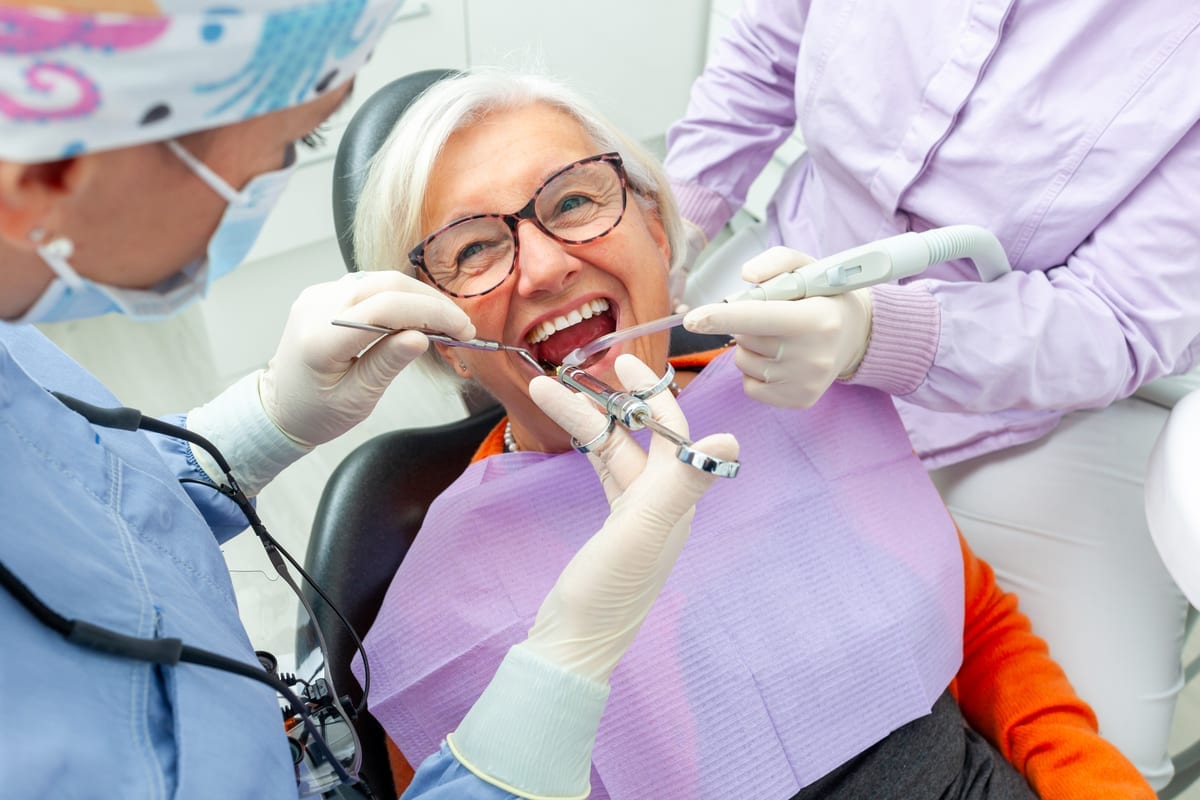
During the first visit, the tooth is numbed with local anesthetic. Dr. Kim then reshapes the tooth to create space for the crown. An impression or digital scan captures the exact dimensions of your tooth.
A temporary crown protects the prepared tooth while the permanent crown is crafted. At your second visit, the temporary is removed and the permanent crown is bonded securely in place. Most patients return to normal eating and activity the same day.
What Happens If You Wait or Skip the Crown?
Some patients wonder whether they can simply monitor a cracked or damaged tooth instead of getting a crown right away. Waiting is rarely a safe option. The longer a compromised tooth goes unprotected, the more damage accumulates.
A crack that reaches the root of the tooth can cause severe infection. At that point, extraction becomes unavoidable. Tooth loss then creates its own set of challenges, including shifting teeth and bone loss in the jaw.
Replacing a lost tooth requires more complex and costly solutions. Options like Dentures And Partials can restore function and appearance after tooth loss. However, preserving your natural tooth with a crown is always the preferred approach when possible.
Acting promptly when your dentist recommends a crown protects your oral health. It also saves you from more extensive treatment down the road. Dr. Sun Kim only recommends crowns when clinical evidence clearly supports the need.
Conclusion: Your Crown Recommendation Is Based on Science, Not Guesswork
When Dr. Sun Kim recommends a crown, that recommendation is grounded in clinical findings and your long-term dental health. Understanding why your dentist recommended a crown for your cracked tooth in Snellville helps you make a confident, informed decision. Protecting a damaged tooth now prevents much bigger problems in the future. Book Now to schedule your appointment with our team.
Frequently Asked Questions
Does getting a dental crown hurt?
The procedure is performed under local anesthesia, so you should not feel pain during the appointment. Some mild soreness around the gum tissue is normal for a day or two afterward. Over-the-counter pain relievers typically manage any discomfort effectively.
How long does a dental crown last?
With proper care, a dental crown can last 10 to 15 years or longer. Good oral hygiene, regular dental checkups, and avoiding habits like grinding or chewing ice all extend the life of your crown. Dr. Sun Kim will advise you on the best ways to protect your investment.
Can a cracked tooth heal on its own without a crown?
Unlike bones, teeth cannot heal or repair themselves. A crack in a tooth will not close or fuse back together without treatment. In most cases, the crack will grow larger over time, which is why timely crown placement is so important.
Is a crown always necessary after a root canal?
In most cases, yes. A root canal removes the living tissue inside the tooth, leaving it more brittle and susceptible to fracture. A crown placed after a root canal protects the tooth and restores its ability to handle normal chewing forces safely.
What is the difference between a crown and a filling?
A filling repairs a small portion of a tooth, while a crown covers the entire visible surface. Crowns are recommended when a tooth is too damaged or weakened for a filling to provide adequate protection. Your dentist determines which option is appropriate based on the extent of the damage.