
Tooth loss is a reality. The American Dental Association (ADA) estimates that in the U.S. Alone, over 30 million adults replace missing teeth each year with fixed restorations. As a result, dental bridges have been around for many years.
If you are exploring dental bridges, the first question you want answered is: How natural will it feel in my mouth? Here is how comfort, time to adjust, types of materials, and what to expect in the long term are explained.
What Does a Dental Bridge Feel Like?
A dental bridge is a fixed restoration that replaces a missing tooth. It uses neighboring teeth for support and holds an artificial tooth securely in place.
At first, it may feel slightly different. That is normal. Your mouth is sensitive to change. Most patients describe the first few days as:
- Mild pressure around supporting teeth
- A slightly “full” feeling
- Small changes in bite awareness
The body is quickly adaptable. After only a couple of weeks, most people find that it feels like part of their natural teeth.
The function of the dental bridges is to restore normal chewing and speaking ability. When properly fitted, the bridge should not feel loose, sharp, or awkward. If pain continues for more than a day or two after adjustment, return to the dental office.
Why Comfort Depends on Proper Fit
Comfort is not only related to the bridge itself, but also to the correct planning an the perfect position.
Key factors that influence comfort include:
- Accurate impressions or digital scans
- Proper bite alignment
- Healthy supporting teeth and gums
- High-quality materials
A poorly fitted bridge can cause:
- Misaligned bite
- Jaw soreness
- Food trapping
- Gum irritation
Your dentist looks at your bite very closely before final placement. According to ADA guidelines, occlusion (bite alignment) plays a major role in long-term comfort and stability.
If you are already undergoing treatments such as cleanings and root canal therapy, maintaining your gums and teeth’s health beforehand will greatly benefit the placement.
How Long Does It Take to Adjust?
The adjustment period is generally short.
First few days:
- Minor sensitivity to pressure
- Slight awareness while chewing
After one week:
- Most patients chew normally
- Speech returns fully to normal
After two weeks:
- The bridge usually feels natural
Sensitivity may occur if the supporting teeth were reshaped. This usually resolves quickly.
Pain continues? See your dentist. Pain that persists can mean the bite is not quite right or that there is gum inflammation.
Do Dental Bridges Affect Eating?
Food comfort is the most common concern for people opting for dental bridges in Lilburn.
A well-fitted bridge allows you to:
- Chew evenly
- Maintain proper bite force
- Avoid shifting of nearby teeth
In the first several days, you feel that softer food is easier on the mouth. Most patients are back to a regular diet within days.
It is still wise to avoid:
- Extremely sticky candy
- Hard ice chewing
- Excessive force on one side
This protects both the bridge and supporting teeth.
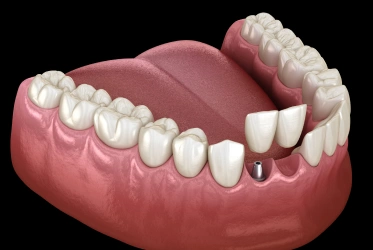
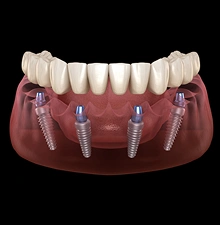
More people who used to consider dental implants or partial dentures now opt for a bridge because of the fixed stability without removable parts.
How Do They Compare To Other Options?
There are three common tooth replacement options:
- Bridges: They’re fixed, meaning they don’t have to be removed each day. This typically leads to more comfort in many adult cases.
- Implants: They are attached independently to each tooth, with no dependence on surrounding teeth. These require surgery.
- Partial Dentures: They are removable and often feel less stable.
Comfort depends on the specific individual. Your dentist will consider your bone levels, gum condition, and bite before recommending which solution will work best for you.
How About Gum Comfort?
Gum condition is crucial.
A bridge should sit naturally against the gum without pushing or irritating it.
To maintain gum comfort:
- Clean around the bridge gently
- Use floss threaders or cleaners
- Maintain regular checkups
The Centers for Disease Control and Prevention (CDC) states that problems with your gum condition can put supporting teeth at risk. Healthy gums will help sustain comfort from a bridge.
Schedule a consultation if you notice irritation, swelling, or bleeding.
How Long Is A Bridge Can Last?
With appropriate maintenance, a bridge can last for 10 to 15 years. Some patients experience much longer-term success. Long-term comfort will depend on regular cleanings, consistent home care, and whether you grind your teeth. Patients who grind will likely need a nightguard to protect the bridge. Even if you need minor adjustments along the way, these are typically routine procedures and quite simple.
Is The Bridge Noticeable?
A modern bridge will be designed with all teeth being the same shape, size, and shade to match one another naturally. There should be no noticeable difference for others around you. Speech changes are rare and very temporary, and should quickly adapt after a few days of your tongue working around the restored surface.
When To Consult A Dentist
It is advisable to talk to a dentist about a bridge if:
- You are missing one or more teeth
- Your remaining teeth have shifted
- You are having trouble chewing
- You want a permanent tooth replacement option
If a bridge causes you discomfort after it is placed, do not ignore it; this will need to be addressed.
Moving Forward With Confidence
Missing teeth not only affect chewing but also the overall structure of your mouth, which may cause other teeth to shift or problems with your bite. Luckily, dental technology has advanced to the point where dental bridges in Lilburn can provide stability, comfort, and a completely natural look. Patients adapt well and find their fixed replacement options quite comfortable once they are accustomed to them. When done right, a dental bridge should feel stable, functional, and natural, and it should be a healthy option if properly maintained.
Ready To Take The Next Step?
If you are interested in a fixed tooth replacement option, talk to our team at Lilburn Smile Makers. We will review your dental history and bite, identify your needs, and help you determine whether a bridge is right for you.
Common Questions People Ask
Are dental bridges painful to place?
The procedure is typically comfortable. Local anesthesia is used during preparation of the supporting teeth. Mild sensitivity may occur afterward but usually resolves within a few days.
How long does a bridge procedure take?
Most cases require two visits. The first prepares the teeth, and the second places the final bridge after it has been fabricated in the laboratory.
Can a bridge feel loose?
No. A fixed bridge should feel secure. If it moves, contact your dentist immediately.
How do I clean under a dental bridge?
Use floss threaders or special bridge floss to clean beneath the artificial tooth daily. Regular cleanings are also essential.