Tooth loss affects your appearance, both physical and visual. The loss of a tooth changes your ability to eat and talk, and your remaining teeth will be affected. Most people who delay treatment for a missing tooth face the same situation, but their problems will only intensify over time.
The information you need to understand dental care is here.
1. A Dental Bridge Literally “Bridges” the Gap
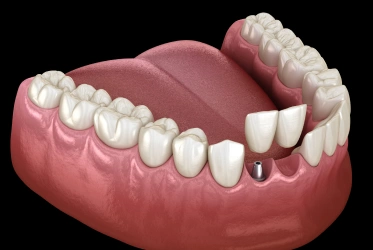
A dental bridge is a fixed replacement tooth — or multiple teeth — anchored to the natural teeth on either side of the gap. Those anchoring teeth are called abutments, and the artificial tooth in the middle is called a pontic.
This remains fixed in your mouth after dental installation because it cannot be removed. The material functions as an integrated part of your mouth after you receive it in the same way that your natural teeth do.
The following types of dental bridges in Lilburn represent the most common types that people use:
- Traditional bridge – anchored to two natural teeth on each side
- Cantilever bridge – anchored to just one side (less common)
- Maryland bridge – bonded with a metal or porcelain framework, no crowns needed
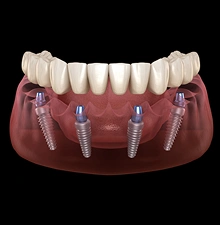
- Implant-supported bridge – held by implants instead of natural teeth
2. Missing Teeth Do More Damage Than You Think
This is the part most people don’t realize. The absence of a tooth causes the underlying jawbone to gradually diminish because it needs root stimulation to maintain its size. The adjacent teeth begin to move into the empty area because no tooth is present.
This can lead to:
- Bite misalignment
- Difficulty chewing on that side
- Changes in facial structure over time
- Increased risk of gum disease in the gap area
Most issues with dental bridges in Lilburn arise when people wait too long to get one.
3. The Process Takes Two to Three Appointments
The assumption is that the process takes a long time to complete. The procedure consists of basic steps to follow.
The procedure generally follows these steps:
- First visit: The dentist will shape the abutment teeth to prepare them for crown placement. The dentist will take impressions, which will be sent to the dental laboratory. The dentist will place a temporary bridge to fill the gap.
- Second visit (1–2 weeks later): The dentist will place the custom bridge after adjusting the bite and applying permanent cement to secure it.
The dentist requires only a third visit in special situations to finish the last modifications. That’s it.
Residents of Lilburn who live near downtown, Stone Mountain Road, or anywhere off Five Forks Trickum can schedule this procedure to fit their standard working hours without major interruptions.
4. Bridges Can Last 10–15 Years With Proper Care
A bridge that receives proper maintenance needs fewer replacement procedures throughout its lifespan. Most bridges last 10 to 15 years, though some last longer.
The durability of the product depends on these factors:
- Your oral hygiene routine
- Whether you grind your teeth
- The health of the abutment teeth
- Regular dental checkups
Dental professionals should use a floss threader or a water flosser to clean areas around bridges, as traditional floss cannot reach them. Your dentist will walk you through exactly how to do it.
5. Not Everyone Is an Immediate Candidate
A bridge functions optimally when the adjacent teeth possess sufficient health to handle its weight. The affected teeth must undergo treatment before any bridge work begins because they currently have decay or structural weakness.
The dentist will assess the following elements:
- Gum health — active gum disease needs to be treated before any bridge work
- Bone density — especially relevant if implant-supported options are being considered
- Number of missing teeth — multiple consecutive missing teeth may need a different approach
The consultation process helps determine the appropriate solution for each case. The situation requires a unique assessment that does not apply to other cases.
Making the Right Call for Your Teeth
A dental bridge in Lilburn is a reliable and enduring solution that effectively addresses missing teeth. The solution restores your ability to function normally while keeping your teeth safe and providing a natural appearance. The appropriate dental treatment choice depends on your individual dental situation.
The next best step after thinking it through is to get a professional assessment of your situation.
Lilburn Smile Makers offers consultations to help you understand your options clearly — no pressure, just honest guidance tailored to what your mouth actually needs.
Common Questions People Ask
Is getting a dental bridge painful?
The procedure is done under local anesthesia, so you won’t feel pain during it. Some sensitivity around the abutment teeth is normal for a few days afterward.
How much does a dental bridge cost in Lilburn, GA?
Costs vary depending on the type of bridge, number of teeth, and materials used. Many dental insurance plans cover a portion of the cost. A consultation will give you a clear estimate.
Can a dental bridge be done on front teeth?
Yes. Porcelain bridges blend naturally with surrounding teeth and are commonly used for front tooth replacement.
What happens if I don’t replace a missing tooth?
Over time, bone loss occurs, surrounding teeth shift, and your bite changes. These issues become more complex and costly to fix the longer they’re left unaddressed.